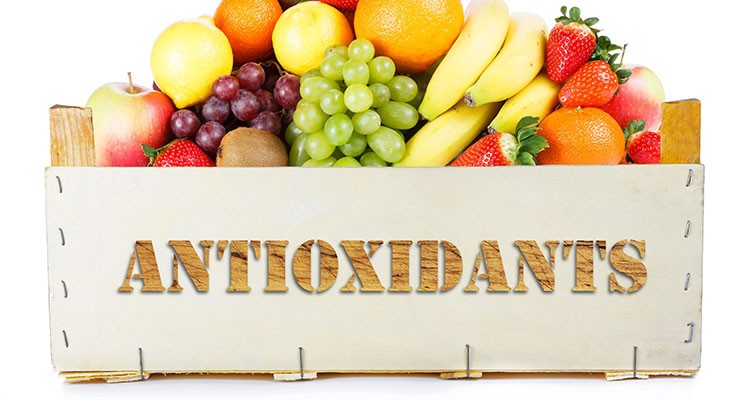
Impede the process of aging and enhance your health and fitness.
What are antioxidants?
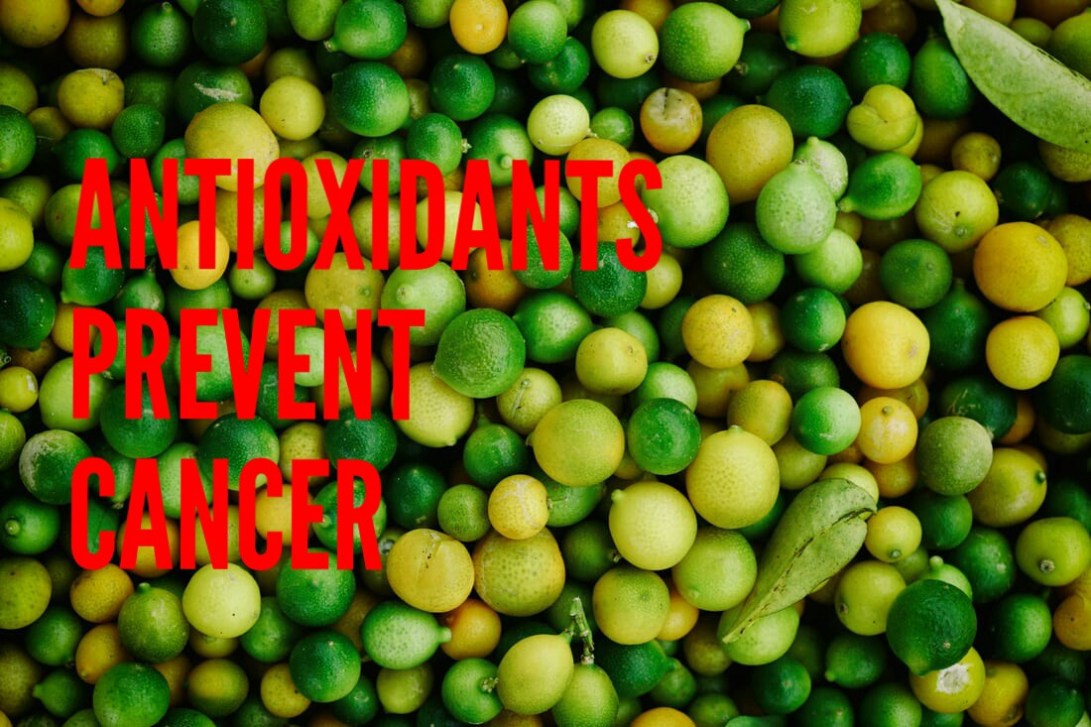
Antioxidants are substances that may protect your cells against free radicals, which may play a role in heart disease, cancer and other diseases.
Free radicals are molecules produced when your body breaks down food or when you’re exposed to tobacco smoke or radiation.
Antioxidants are compounds that inhibit oxidation.
Oxidation is a chemical reaction that can produce free radicals, thereby leading to chain reactions that may damage the cells of organisms.
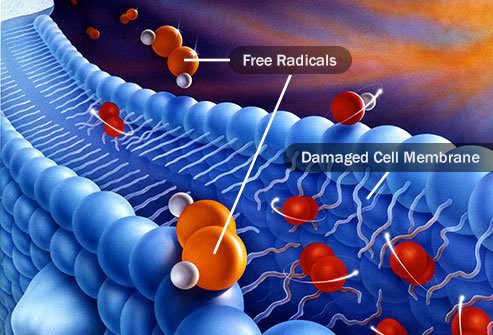
Brief iformation about antioxidants and free radicals relating to specific conditions.
Antioxidants can protect against the cell damage that free radicals cause, known as oxidative stress.
Activities and processes that can lead to oxidative stress includes:
- mitochondrial activity.
- excessive exercise.
- tissue trauma, due to inflammation and injury.
- ischemia and reperfusion damage.
- consumption of certain foods, especially refined and processed foods, trans fats, artificial sweeteners, and certain dyes and additives.
- smoking.
- Alcoholism.
- environmental pollution.
- radiation.
- exposure to chemicals, such as pesticides and drugs, including chemotherapy.
- industrial solvents.
- ozone.

Such activities and exposures can result in cell damage.
This, in turn, may lead to:
- an excessive release of free iron or copper ions.
- an activation of phagocytes, a type of white blood cell with a role in fighting infection.
- an increase in enzymes that generate free radicals.
- a disruption of electron transport chains which carry out normal reaction.
All these can result in oxidative stress.
The damage caused by oxidative stress has been linked to cancer, atherosclerosis (heart disease) and vision loss. It is thought that the free radicals cause changes in the cells that lead to these and possibly other conditions.
An intake of antioxidants is believed to reduce these risks.
According to one study: “Antioxidants act as radical scavenger, hydrogen donor, electron donor, peroxide decomposer, singlet oxygen quencher, enzyme inhibitor, synergist, and metal-chelating agents.”
Other research has indicated that antioxidant supplements may help reduce vision loss due to age-related issues in older people.
What are the role of antioxidants?
-
Role of antioxidants in aging
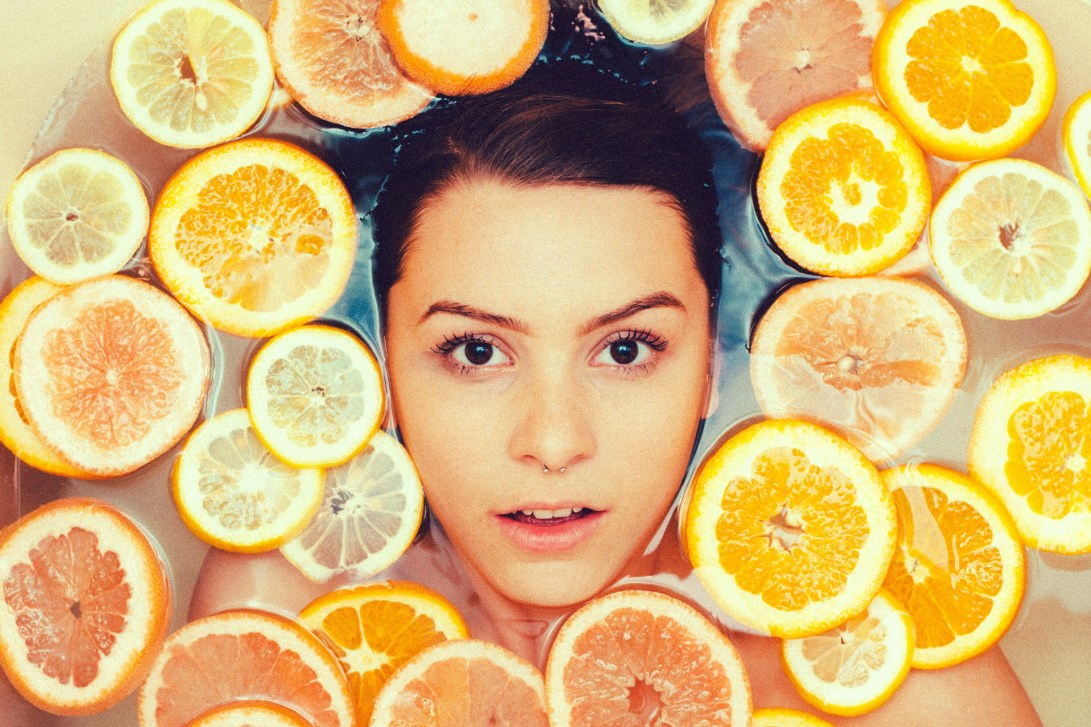
“Antioxidants protect the skin by reducing and counteracting free radical production.” These free radicals, as a refresher, can assault your skin, damaging healthy skin cells and creating oxidative stress. “Antioxidants protect your skin from this and help reduce pigmentation and fine lines and wrinkles,”
-
Role of antioxidants in detoxification
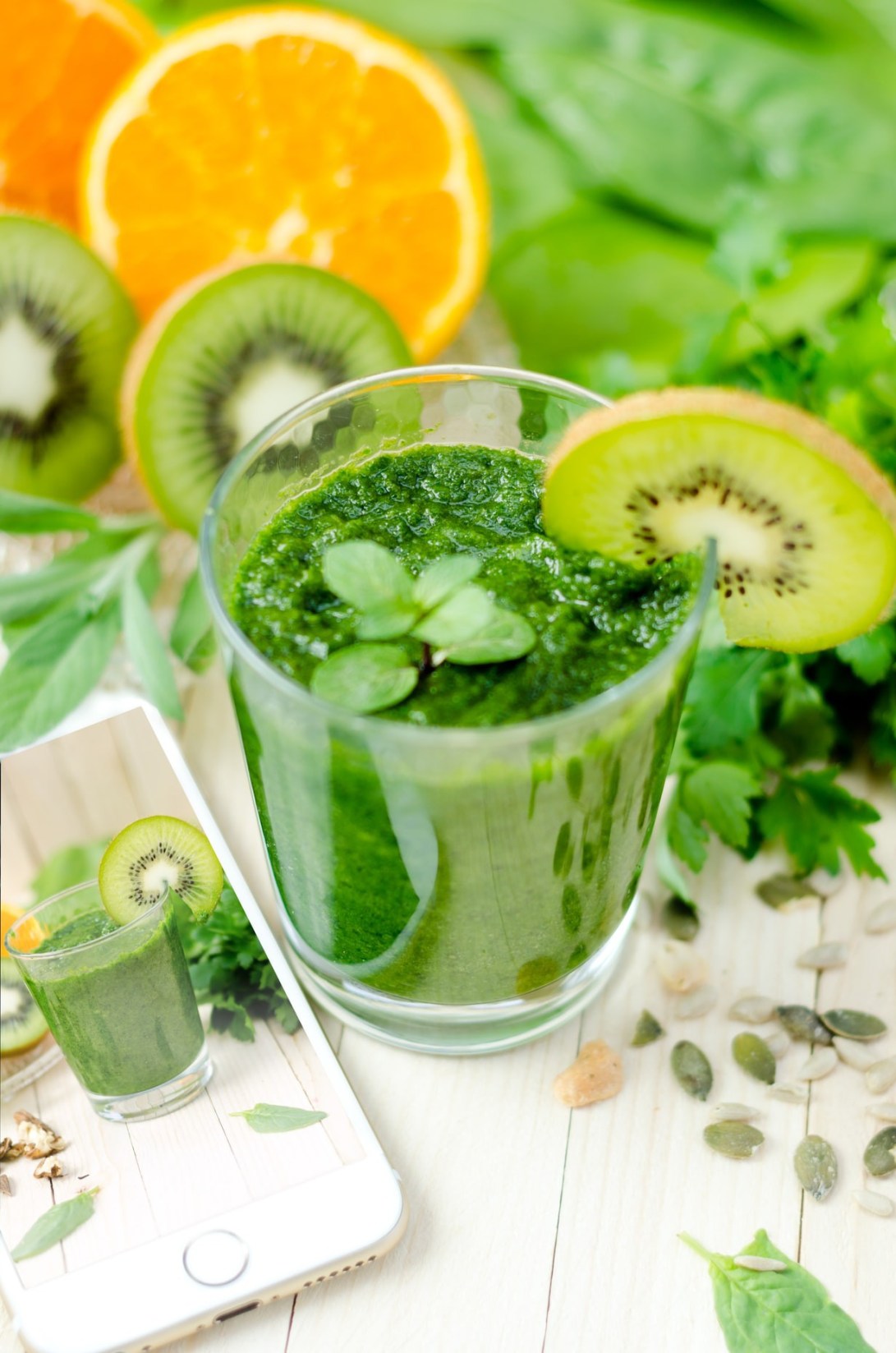
Antioxidants act as natural detoxifiers in our body by saving the cells which are primarily involved in detoxification of toxin or harmful elements that are formed in the body. Daily Consumption of any antioxidant rich natural detoxifiers can help to a great extent.
-
Role of antioxidants in cancer
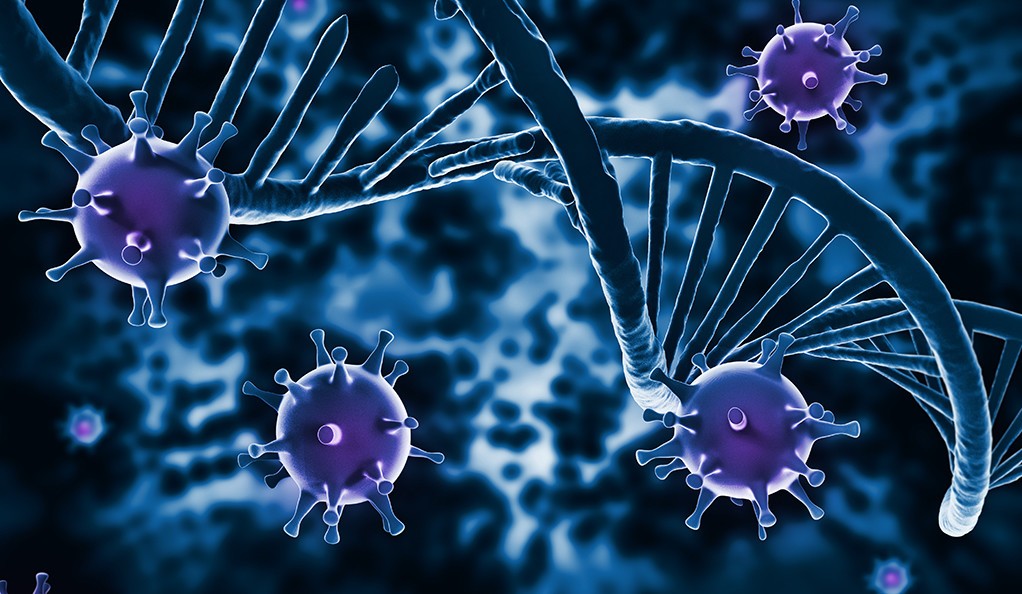
Exposure to various environmental factors, including tobacco smoke and radiation, can also lead to free radical formation. In humans, the most common form of free radicals is oxygen. When an oxygen molecule (O2) becomes electrically charged or “radicalized” it tries to steal electrons from other molecules, causing damage to the DNA and other molecules. Over time, such damage may become irreversible and lead to disease including cancer.
Role of antioxidants in building immune system
The harmful activities of free radicals are associated with damage to membranes, enzymes, and DNA. The ability of antioxidants to destroy free radicals protects the structural integrity of cells and tissues. This review focuses on data indicating that the functions of the human immune system depend on the intake of micronutrients, which can act as antioxidants. Recent clinical trials have found that antioxidant supplementation can significantly improve certain immune responses.
What are the sources of antioxidants?
The sources of antioxidants can be natural or artificial. Certain plant-based foods are thought to be rich in antioxidants. Plant-based antioxidants are a kind of phyto nutrient, or plant-based nutrient.
The body also produces some antioxidants, known as endogenous antioxidants. Antioxidants that come from outside the body are called exogenous.
Some Sources of antioxidants
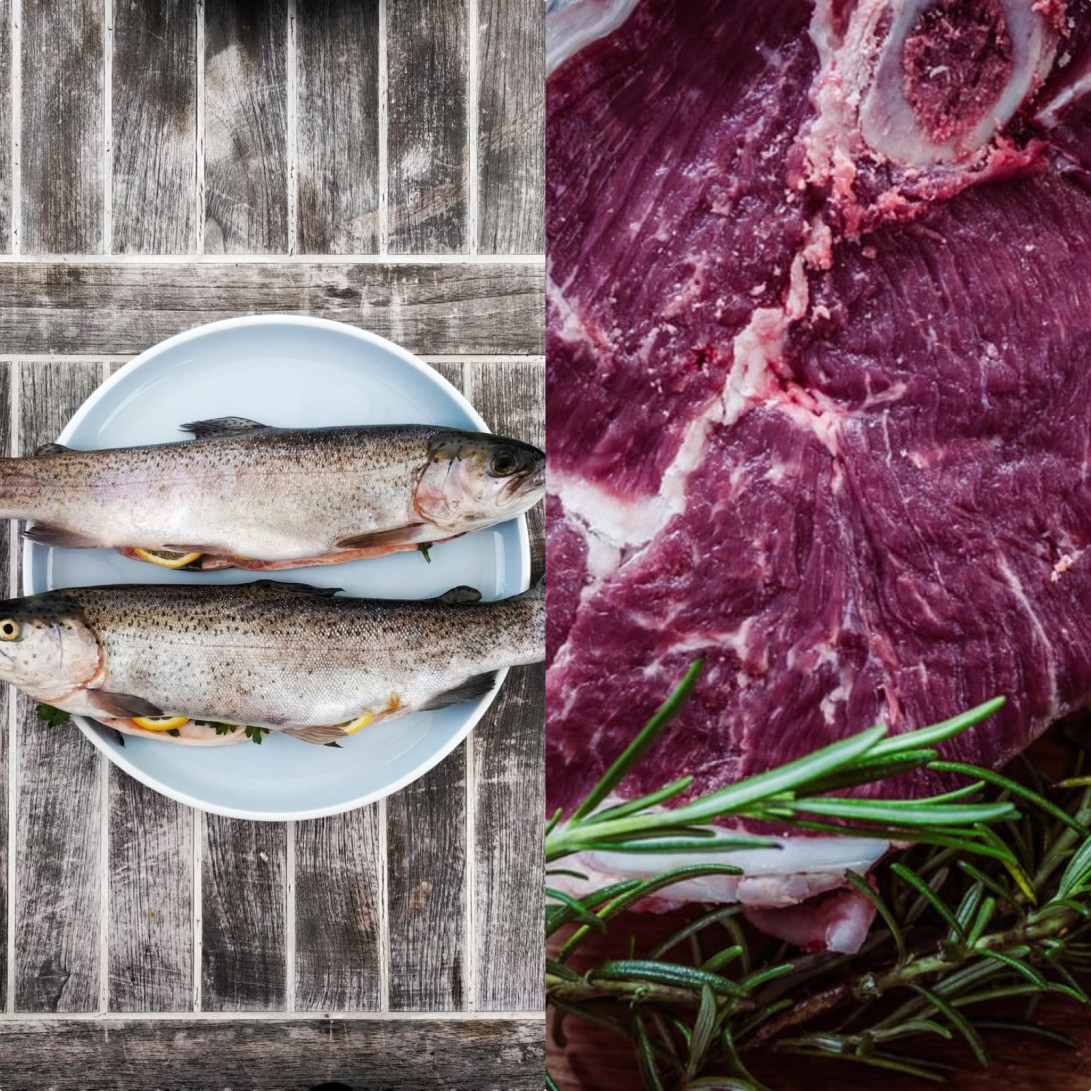
Plant foods are rich sources of antioxidants. They are most abundant in fruits and vegetables, as well as other foods including nuts, wholegrains and some meats, poultry and fish.
Good sources of specific antioxidants include:
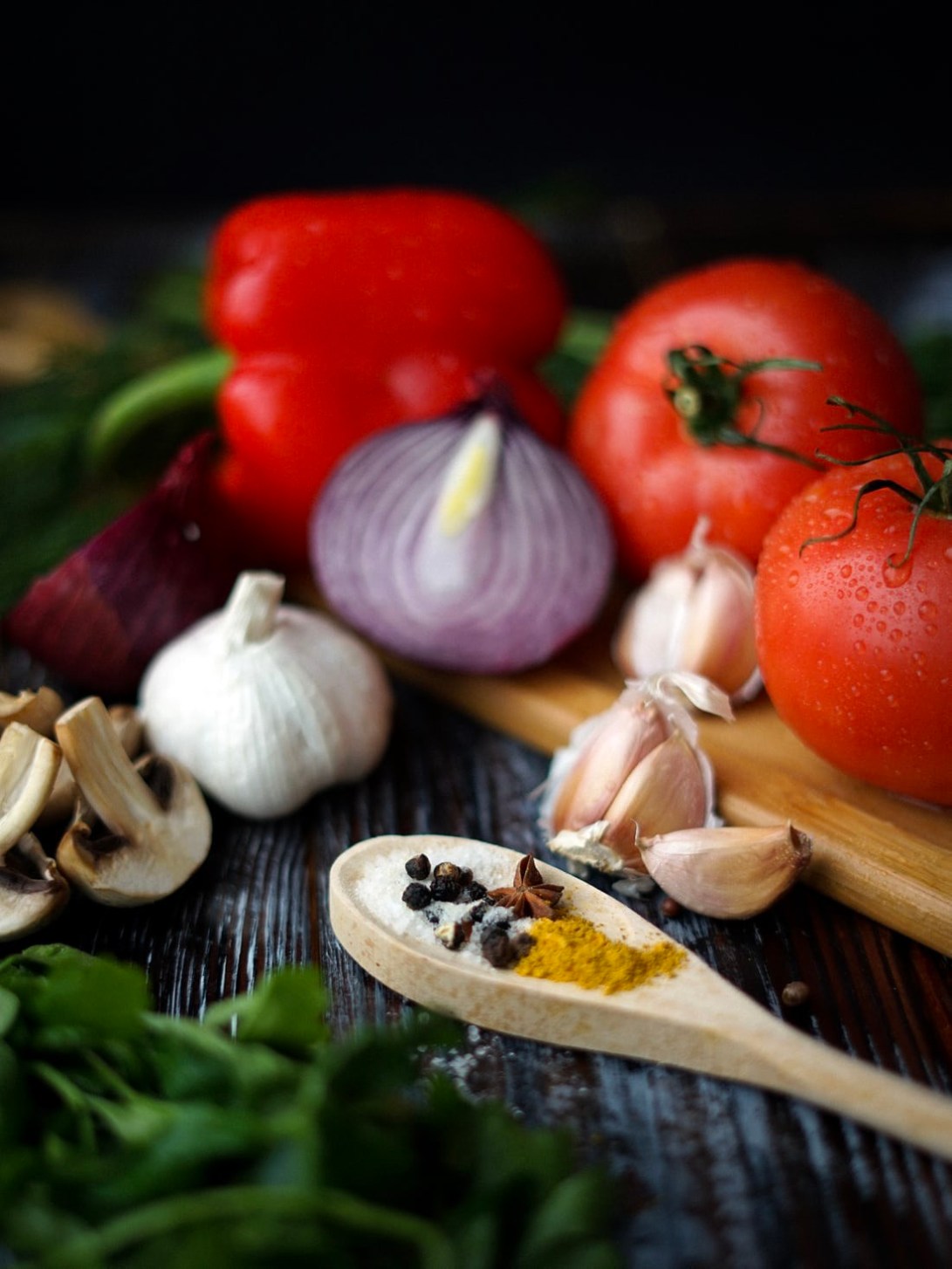
- allium sulphur compounds – leeks, onions and garlic
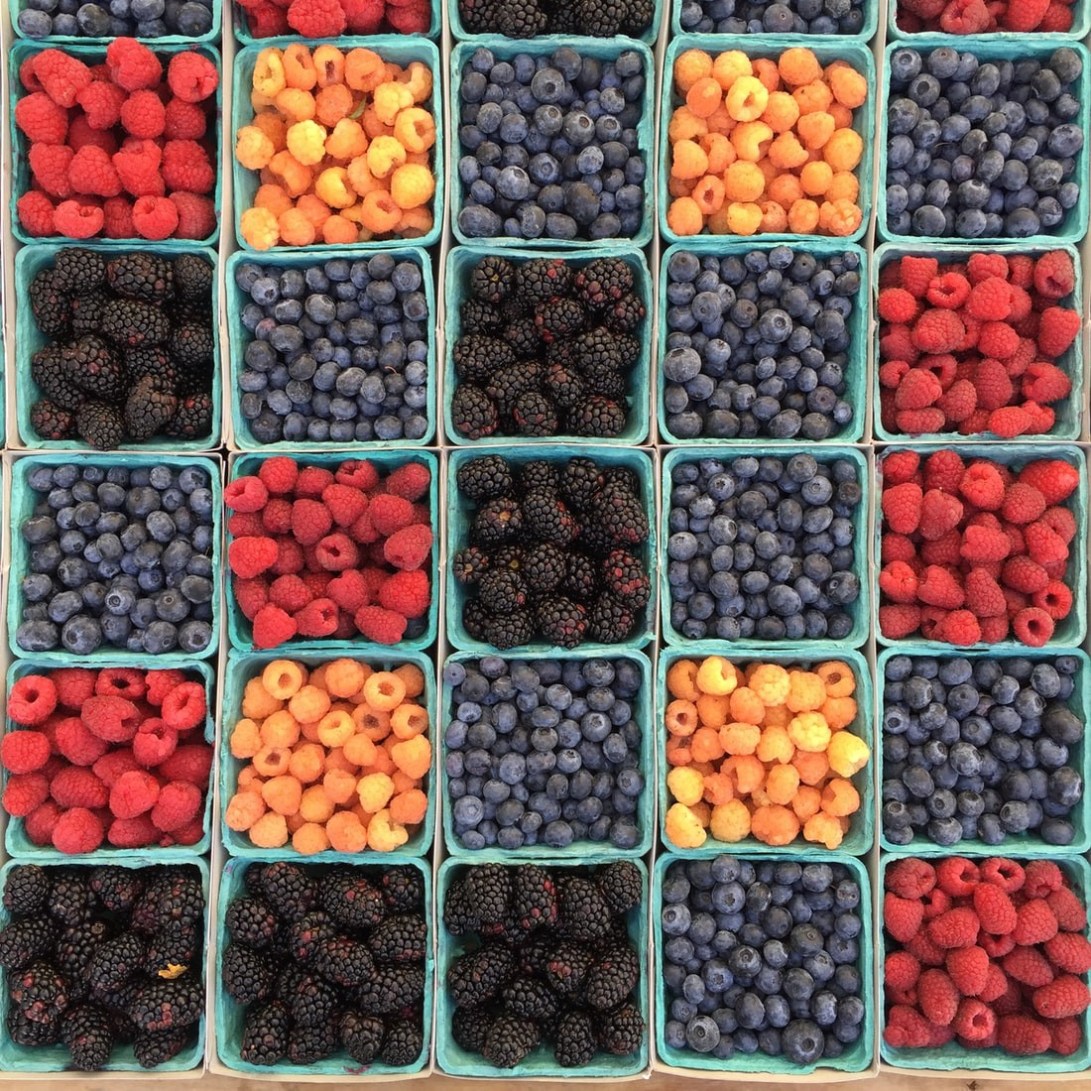
- anthocyanins – eggplant, grapes and berries
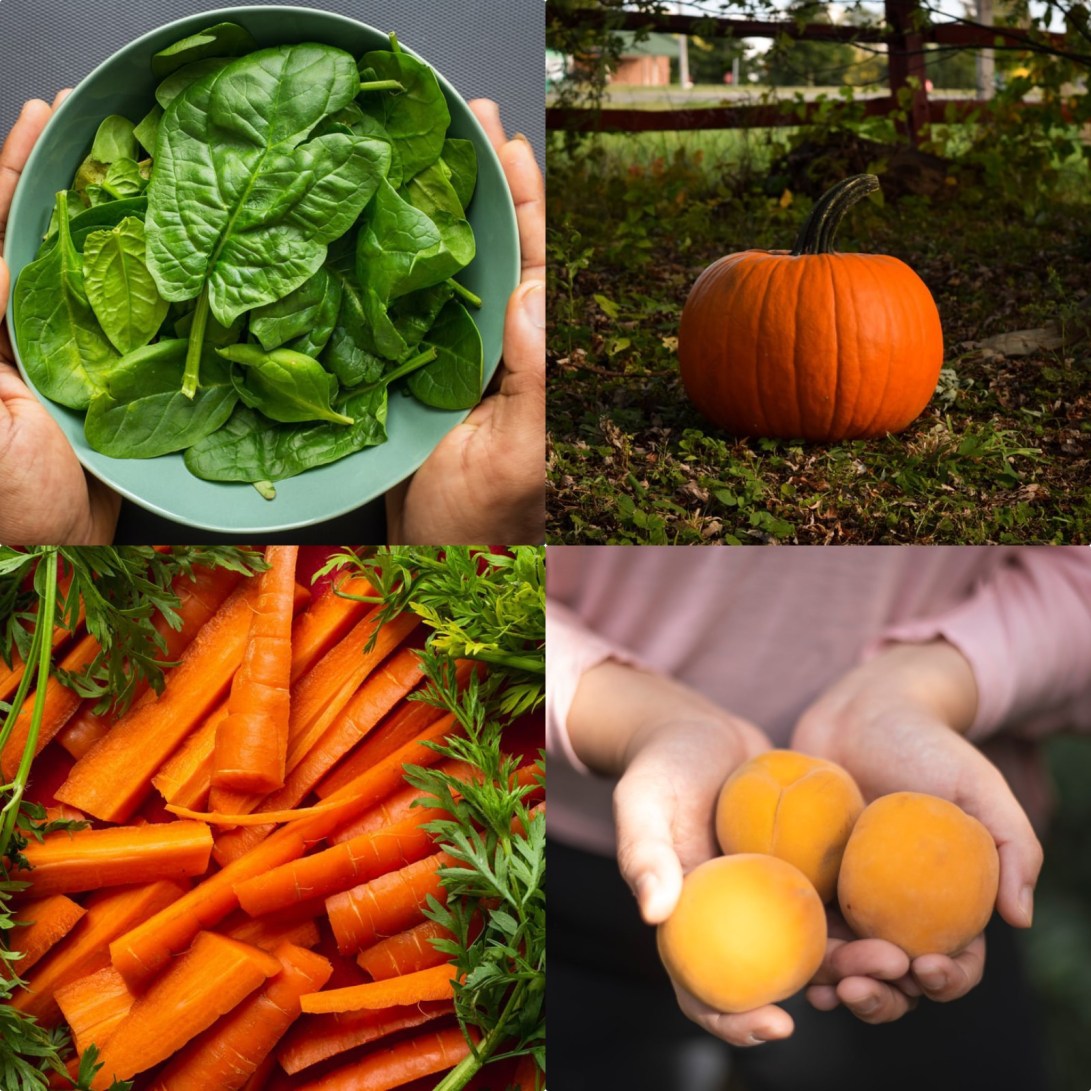
- beta-carotene – pumpkin, mangoes, apricots, carrots, spinach and parsley
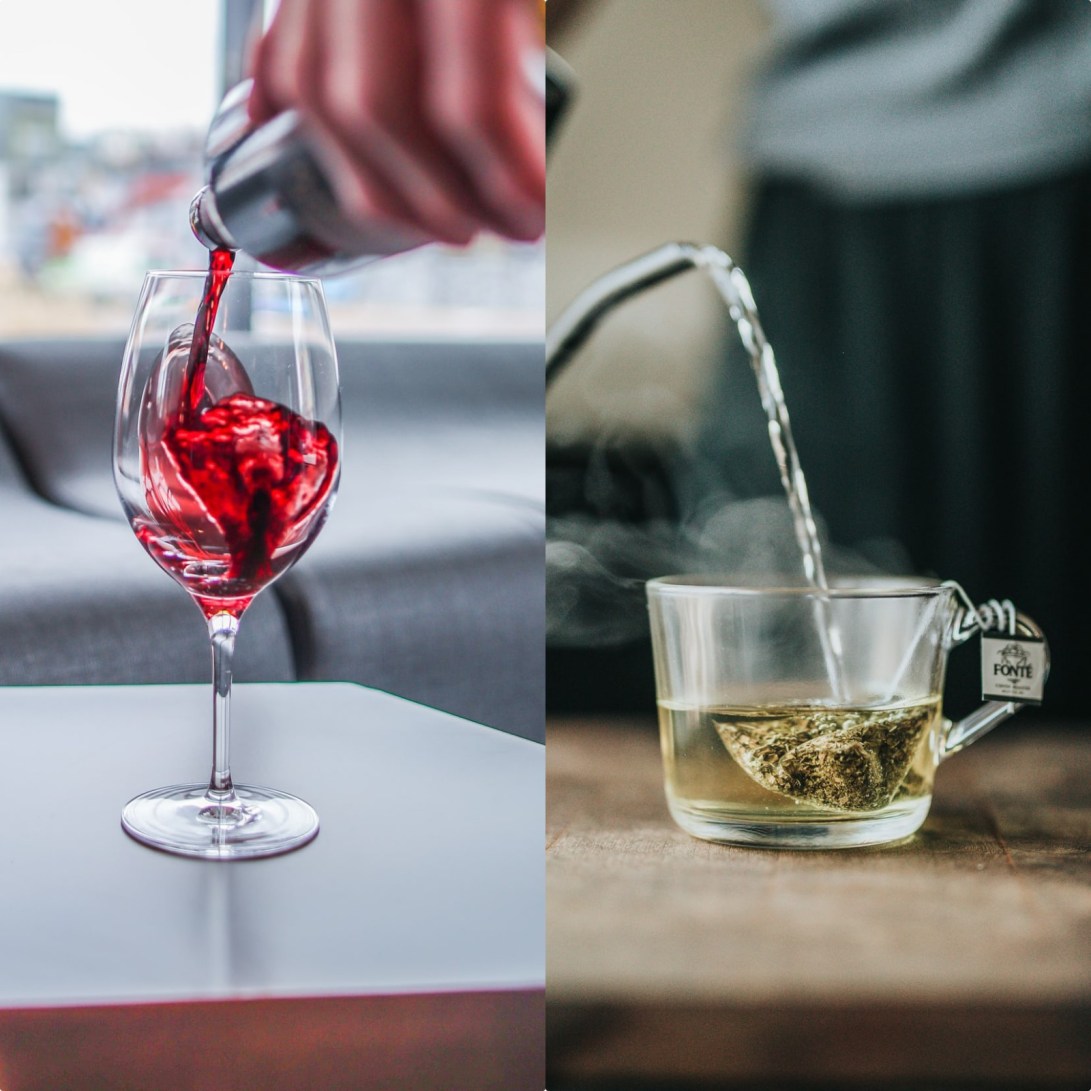
- catechins – red wine and tea
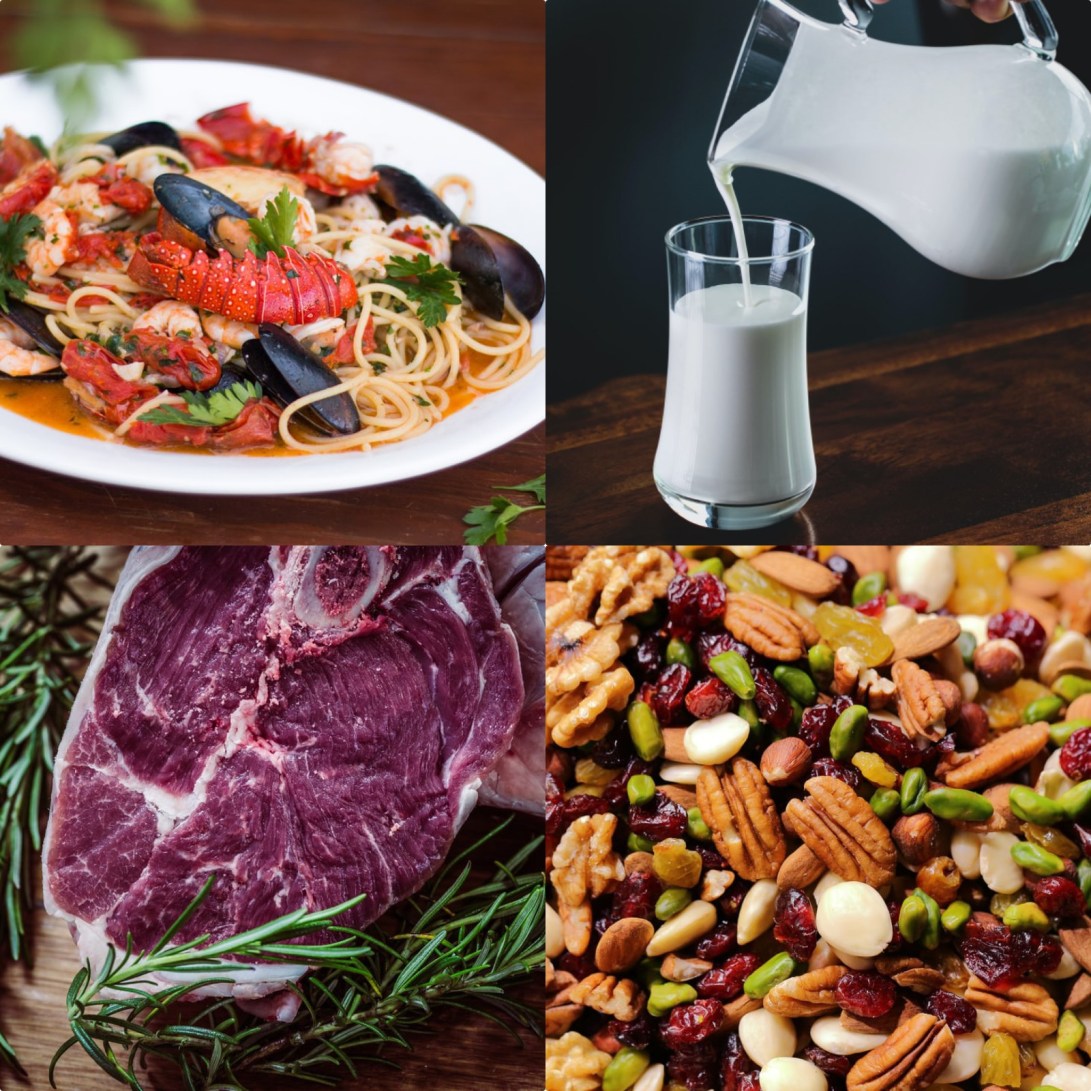
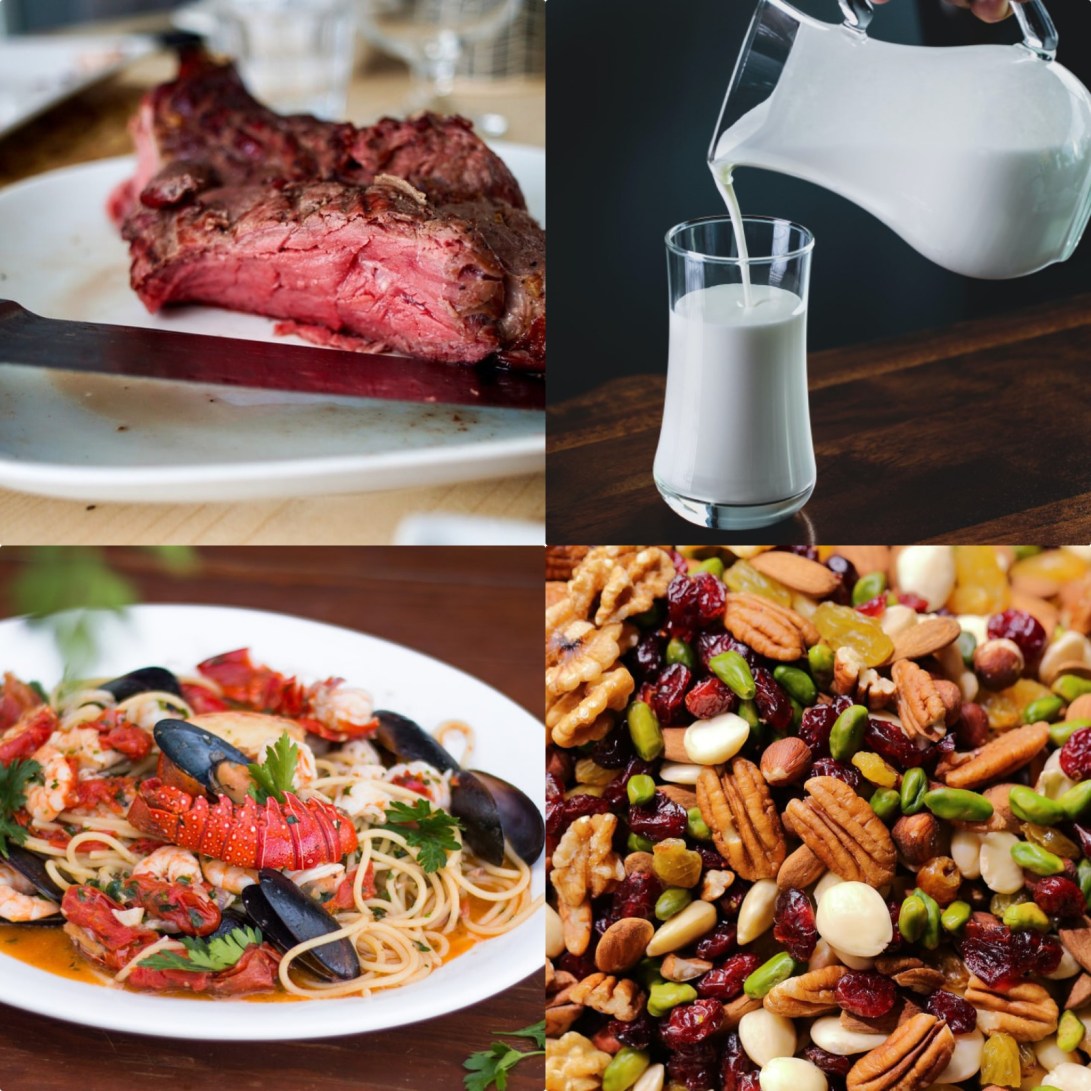
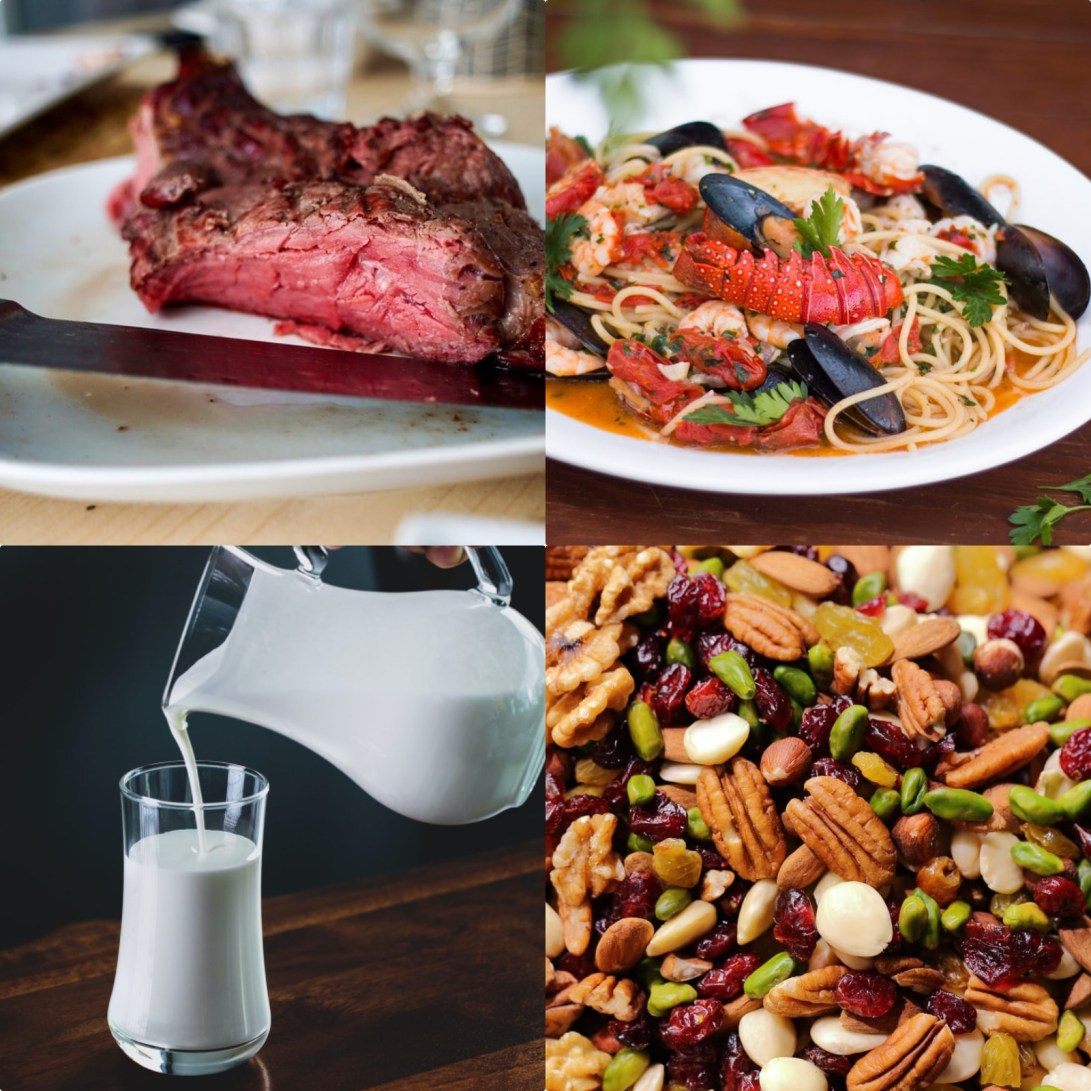
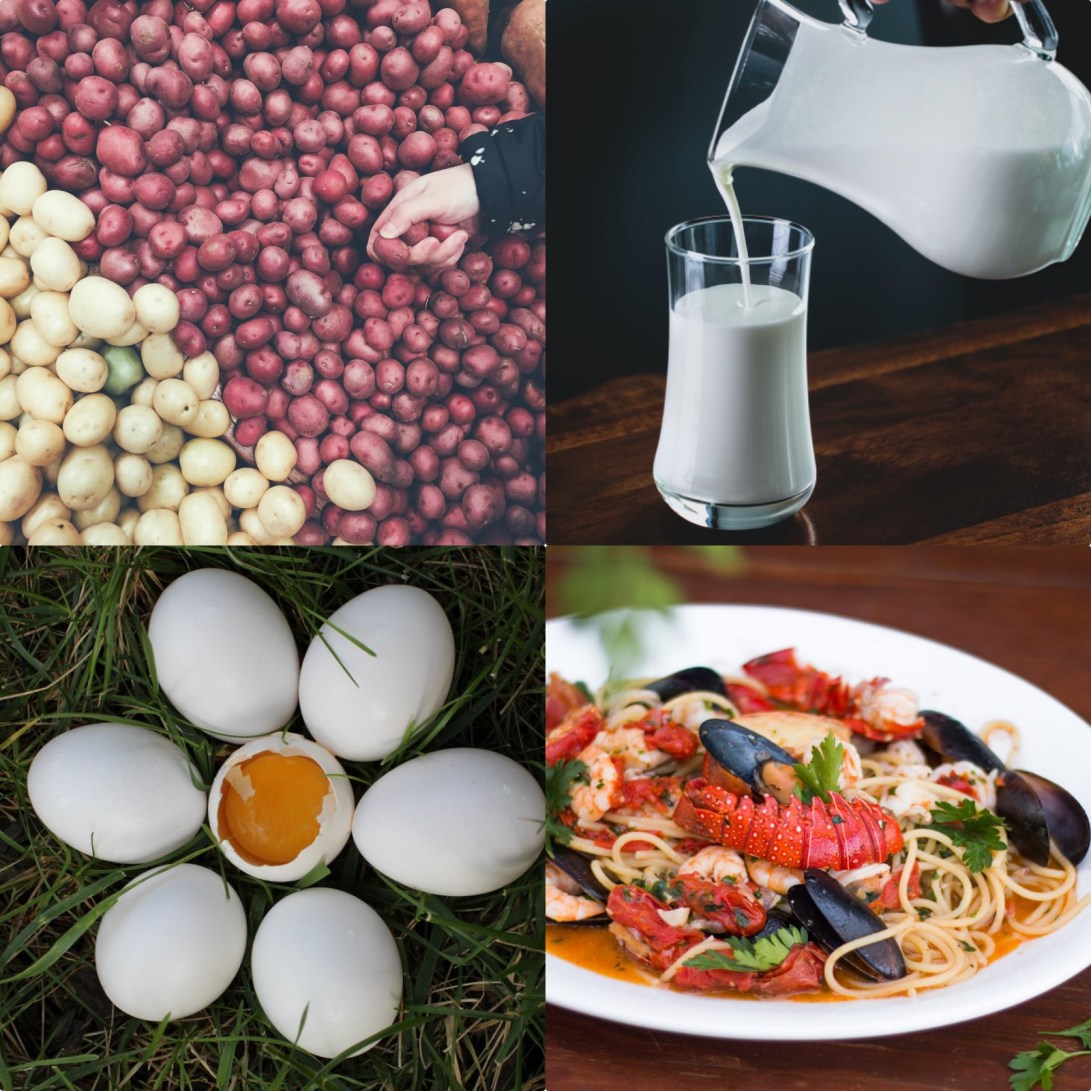
- copper – seafood, lean meat, milk and nuts
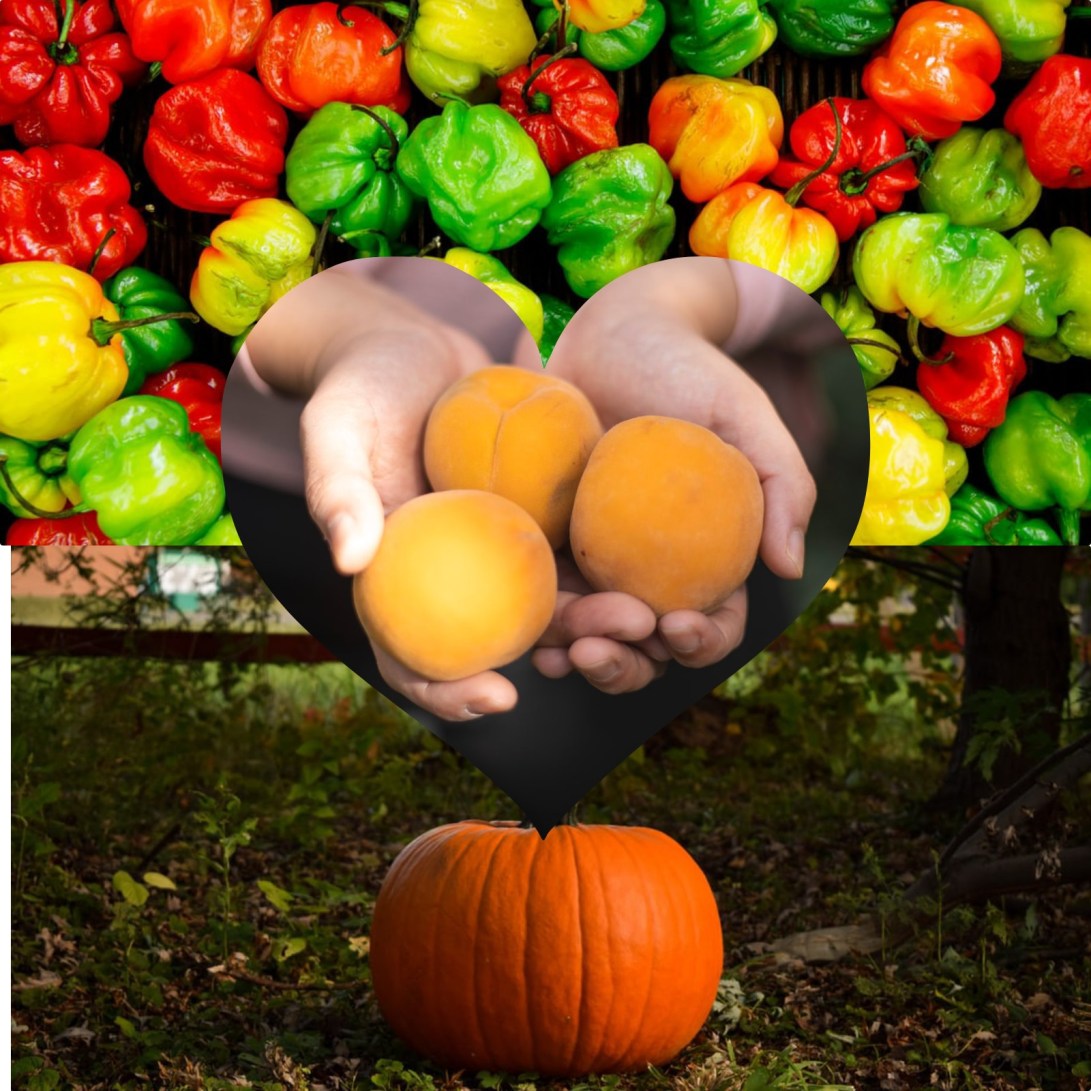
- cryptoxanthins – red capsicum, pumpkin and mangoes
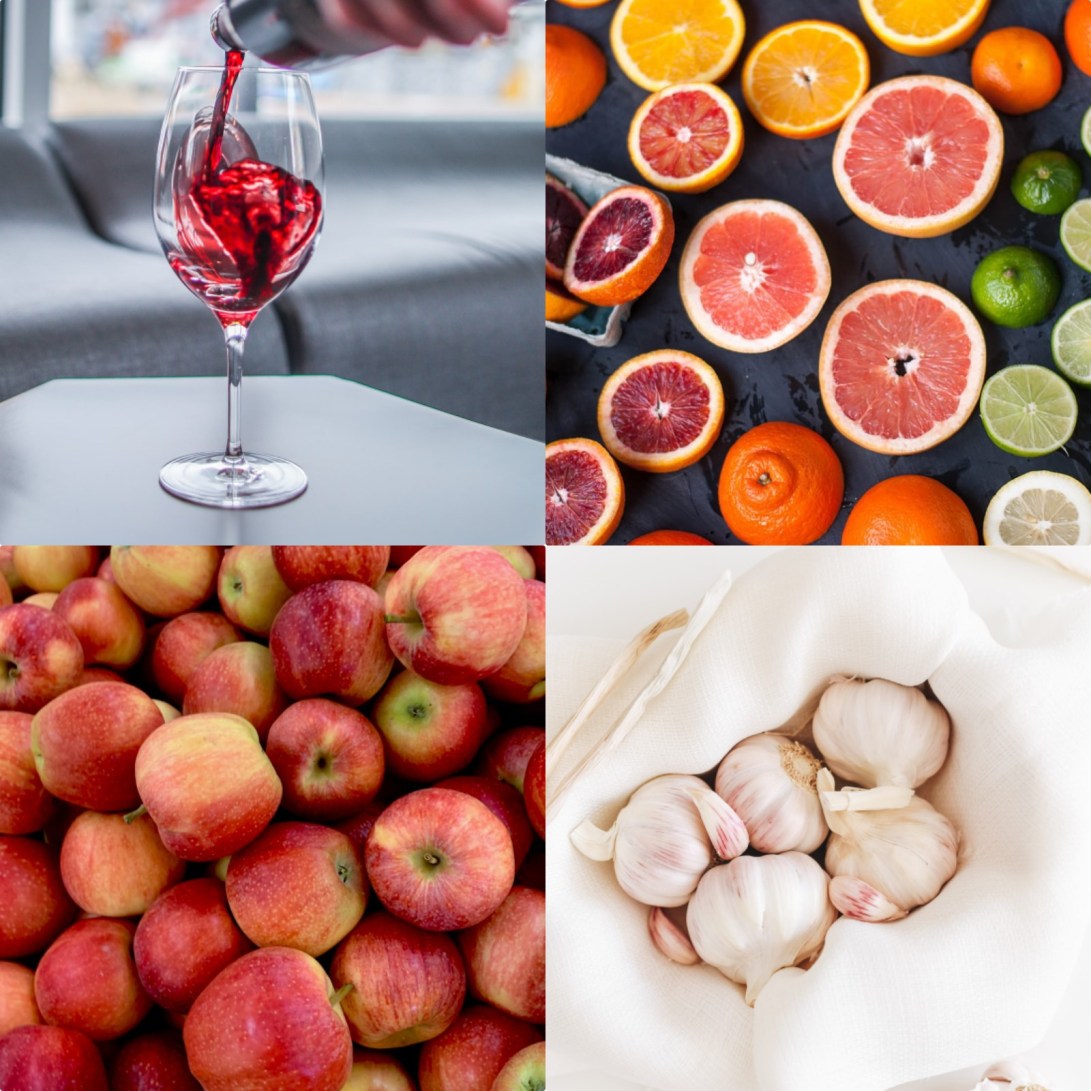
- flavonoids – tea, green tea, citrus fruits, red wine, onion and apples
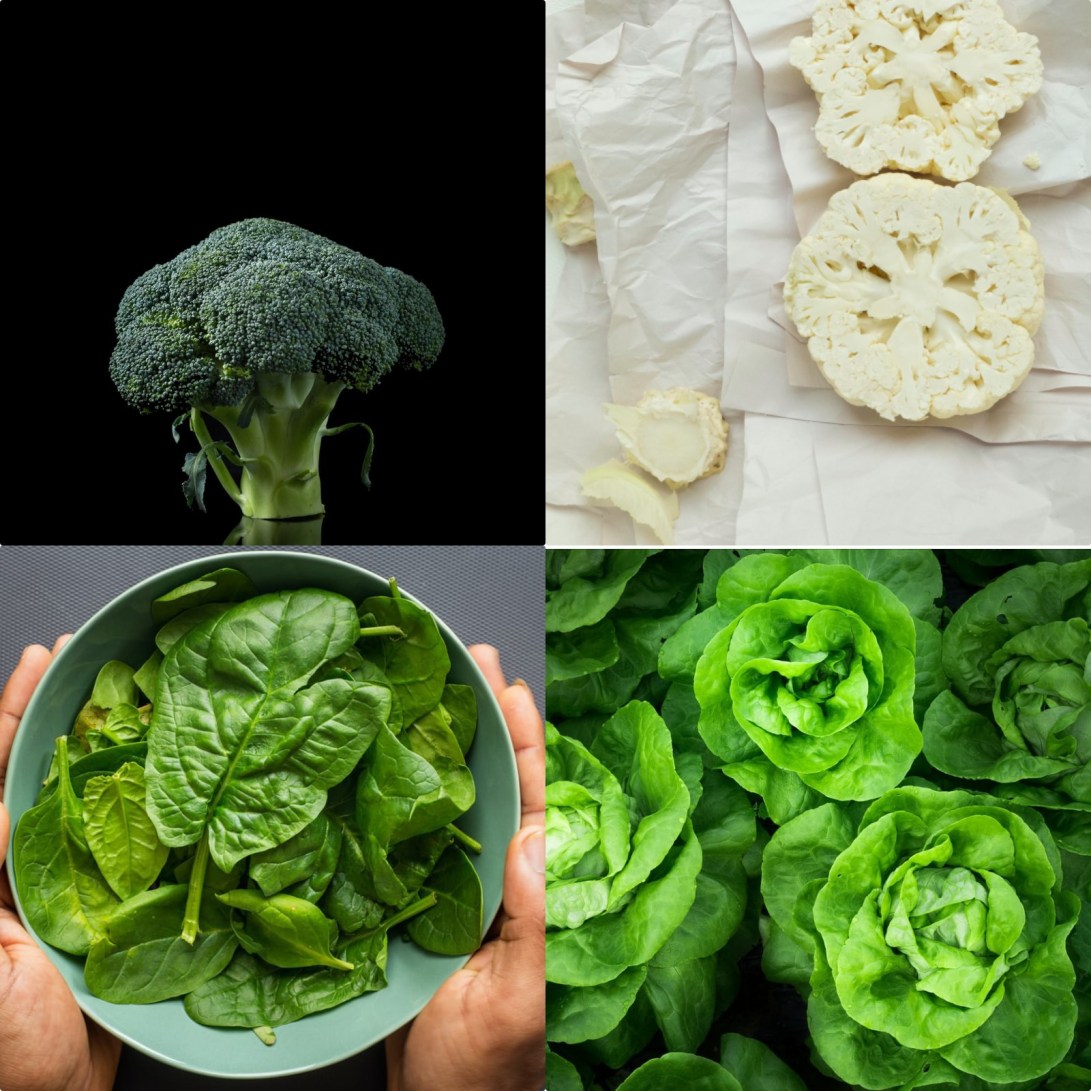
- indoles – cruciferous vegetables such as broccoli, cabbage and cauliflower
- isoflavonoids – soybeans, tofu, lentils, peas and milk
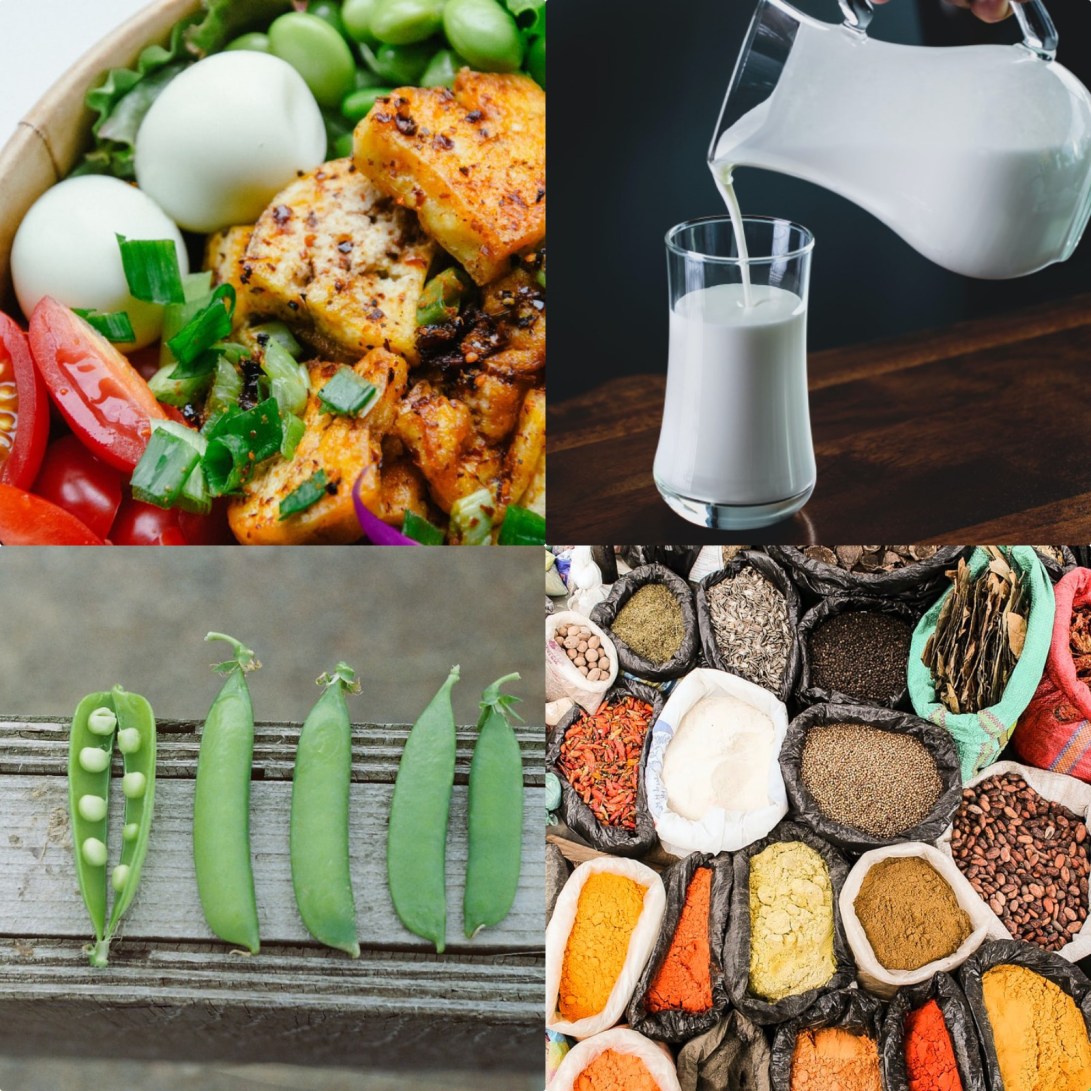
- lignans – sesame seeds, bran, whole grains and vegetables
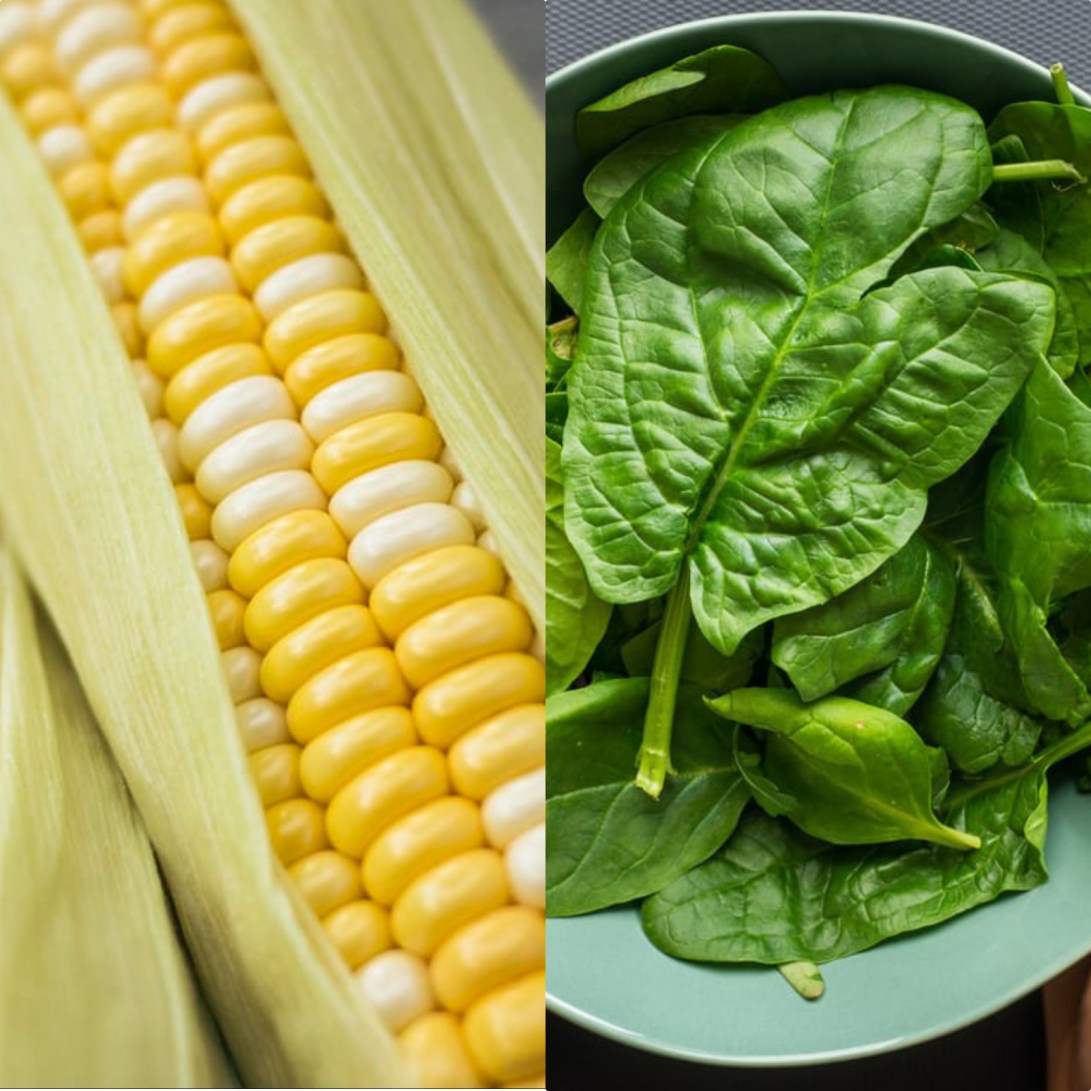
- lutein – green, leafy vegetables like spinach, and corn
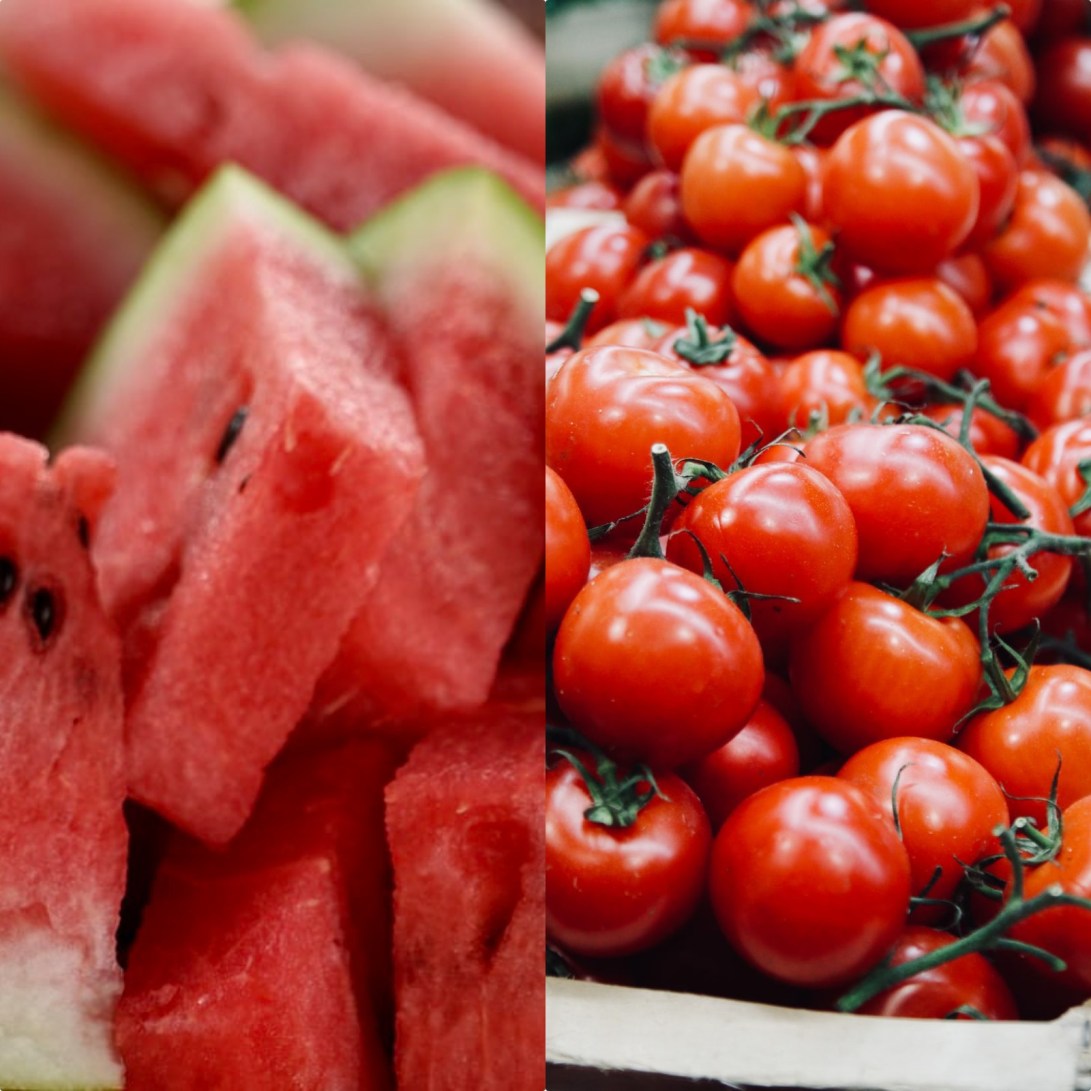
- lycopene – tomatoes, pink grapefruit and watermelon
- manganese – seafood, lean meat, milk and nuts
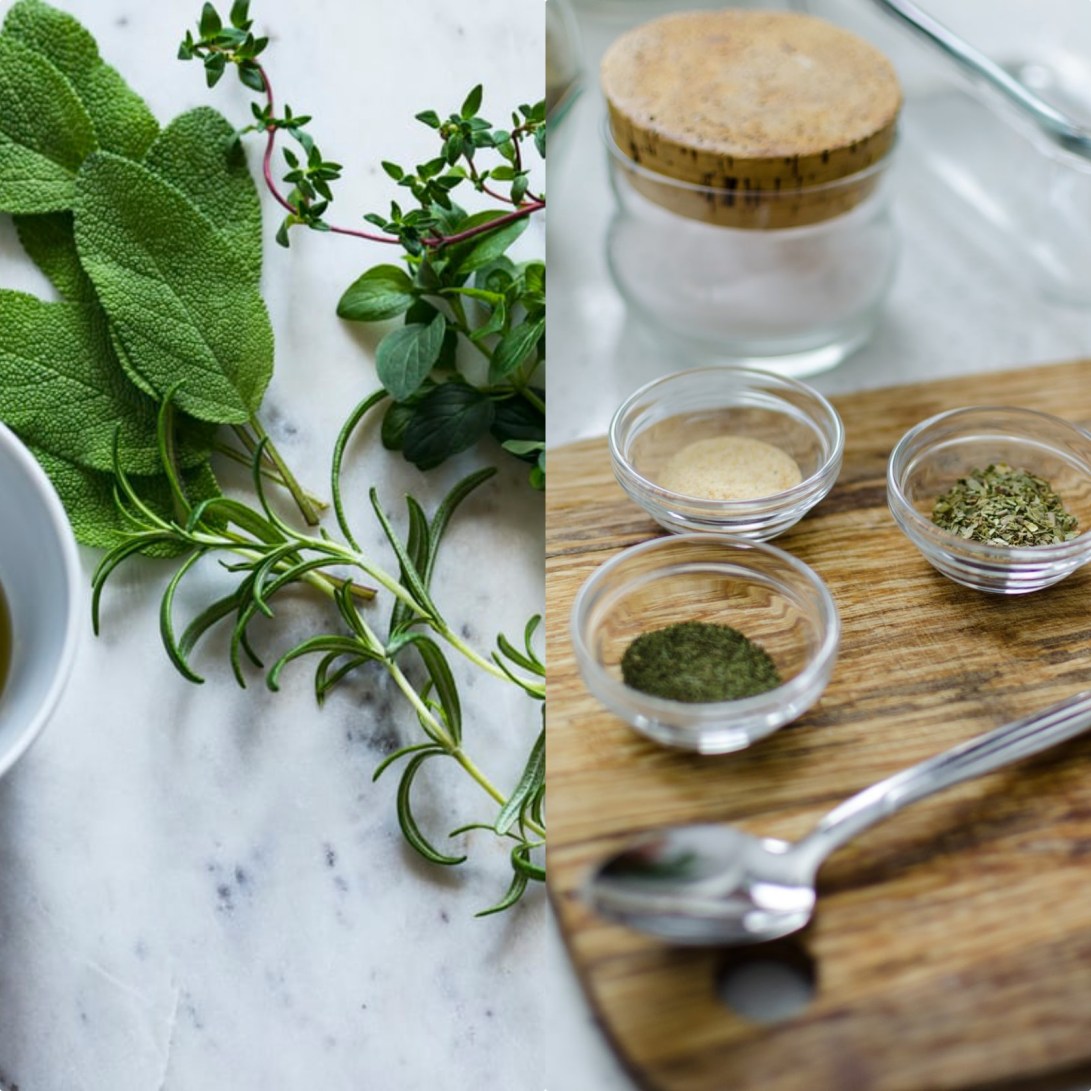
- polyphenols – thyme and oregano
- selenium – seafood, offal, lean meat and whole grains
- vitamin A – liver, sweet potatoes, carrots, milk, and egg yolks
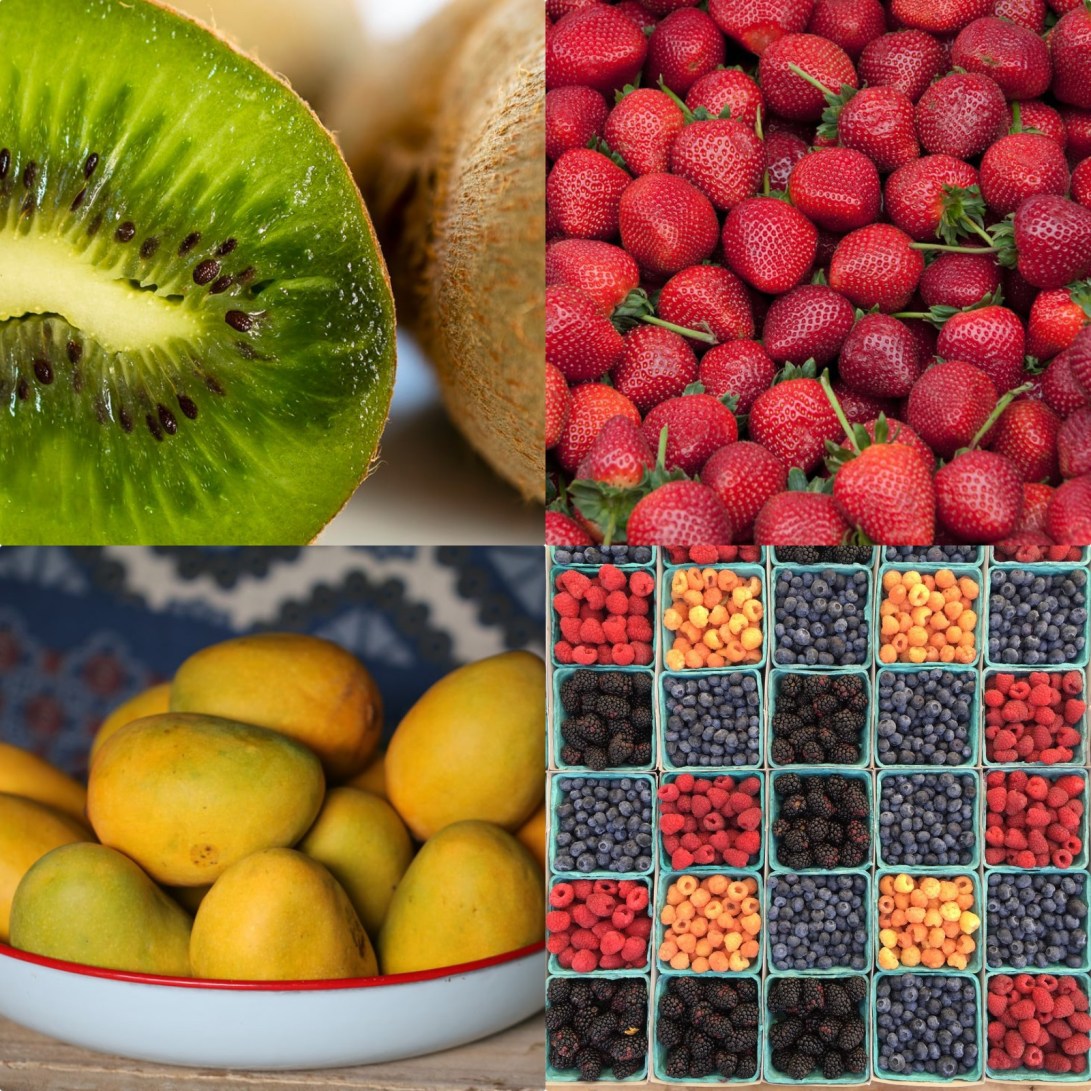
- vitamin C – oranges, blackcurrants, kiwifruit, mangoes, broccoli, spinach, capsicum and strawberries
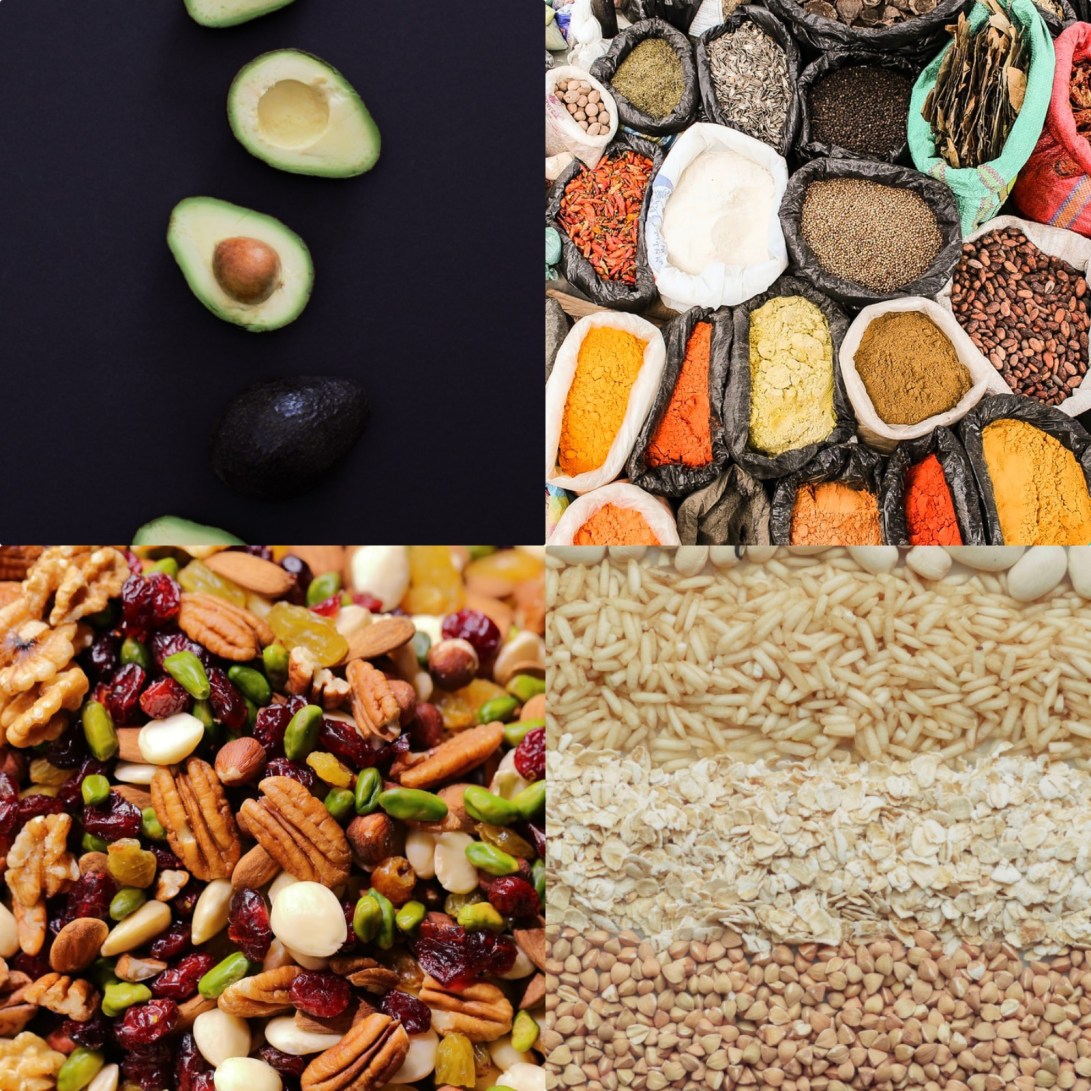
- vitamin E – vegetable oils (such as wheatgerm oil), avocados, nuts, seeds and whole grains
- zinc – seafood, lean meat, milk and nuts
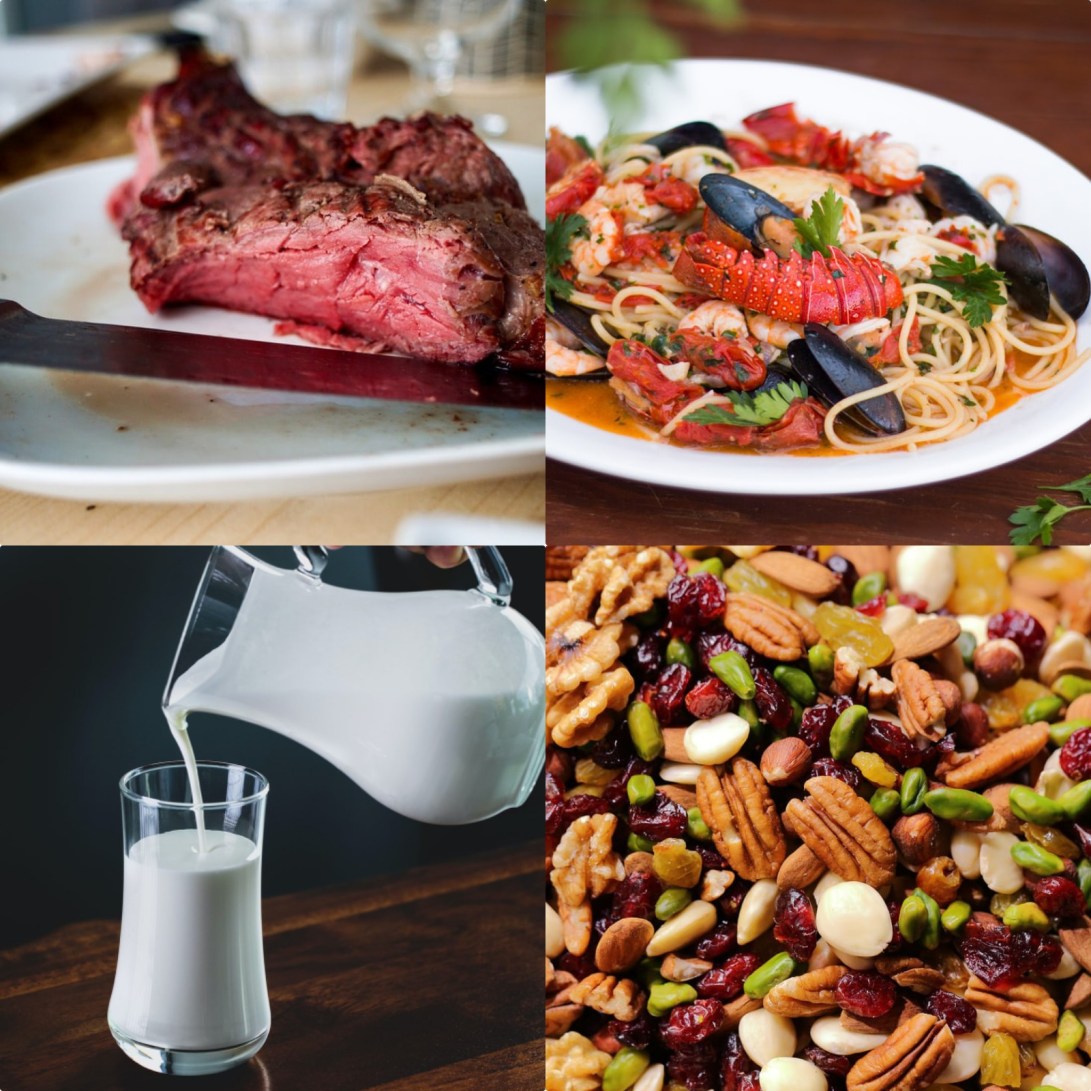
- zoochemicals – red meat, offal and fish. Also derived from the plants that animals eat.
Some Dietary Tips.
The following tips could help increase your antioxidant intake:
- Include a fruit or a vegetable every time you eat, meals and snacks included.
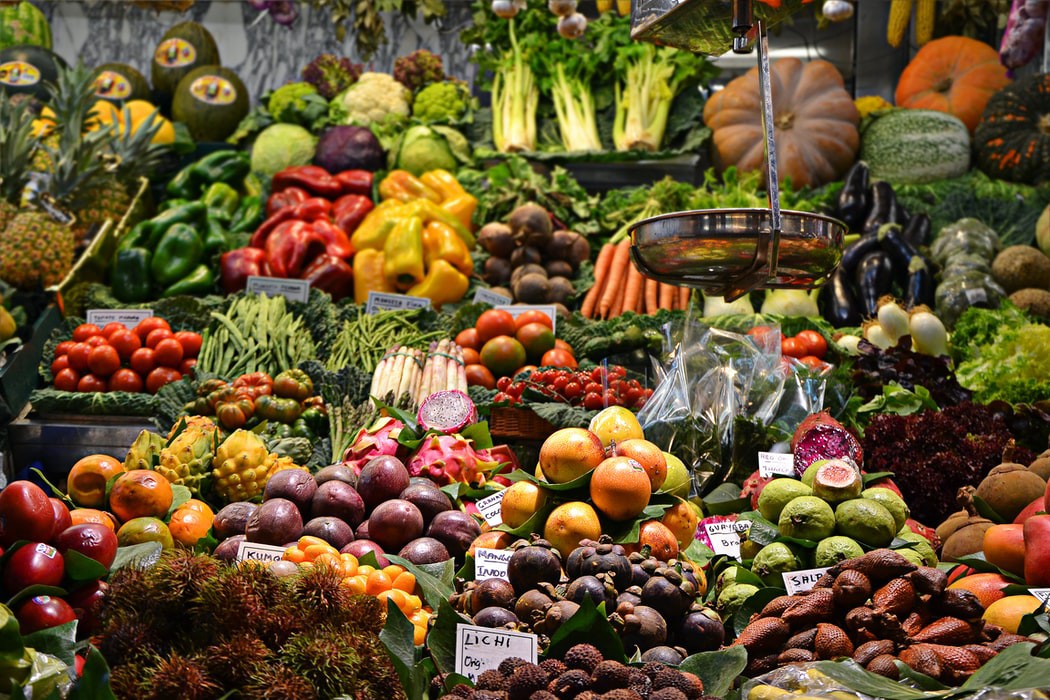
- Have a cup of green tea every day.
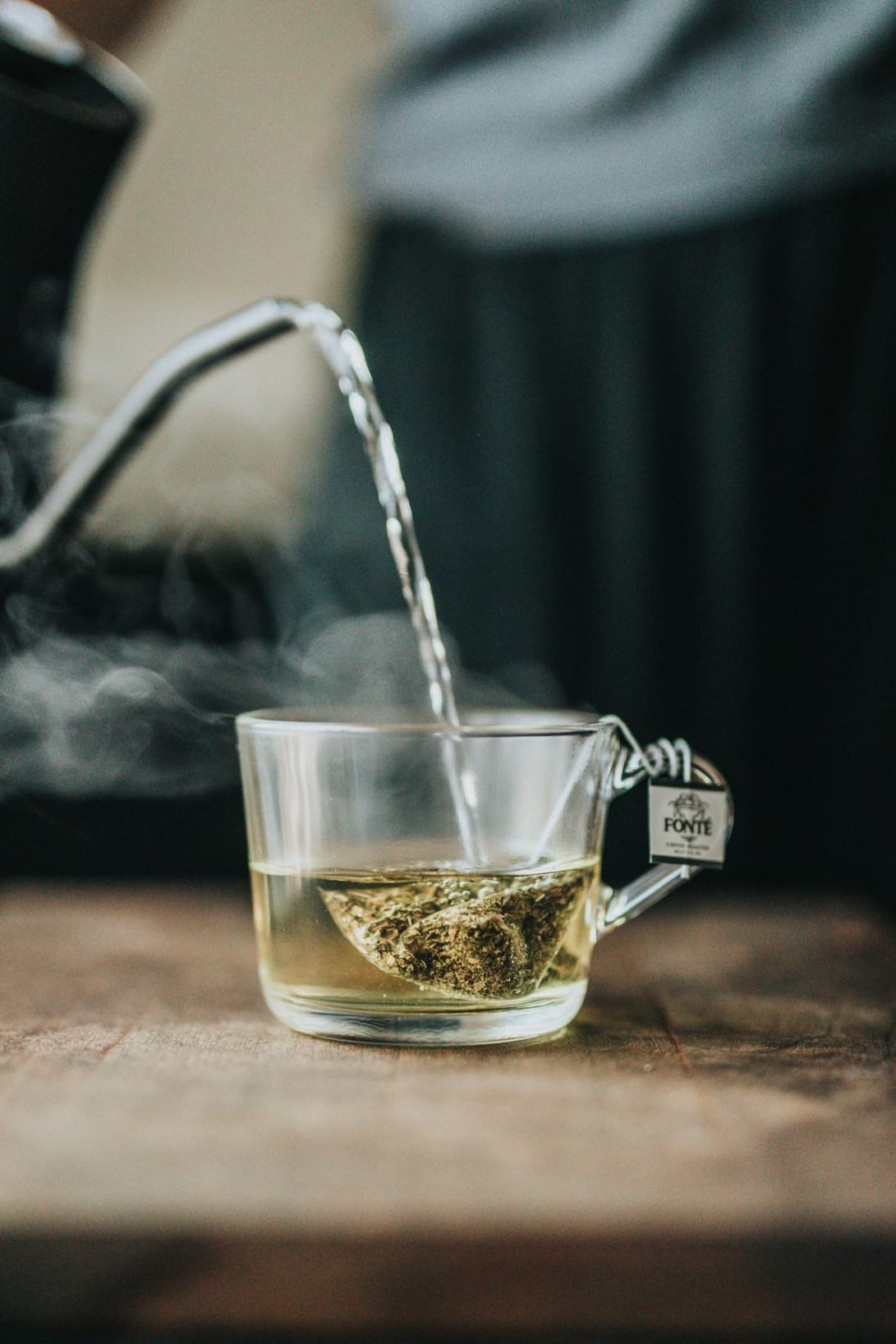
- Look at the colors on your plate. If your food is mostly brown or beige, the antioxidant levels are likely to be low. Add in foods with rich colors, such as green cabbage, beets, and berries.
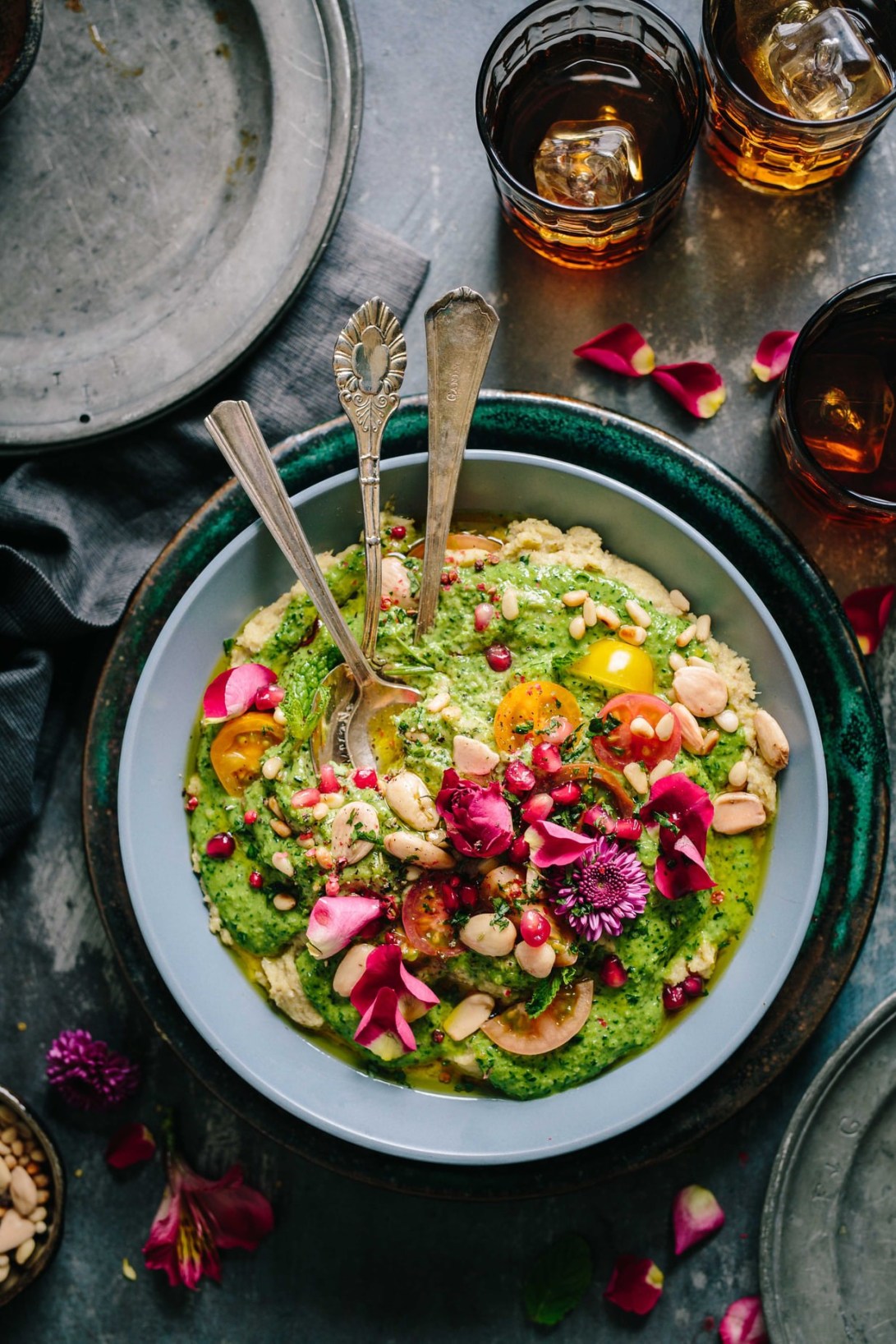
- Use turmeric, cumin, oregano, ginger, clove, and cinnamon to spice up the flavor and antioxidant content of your meals.
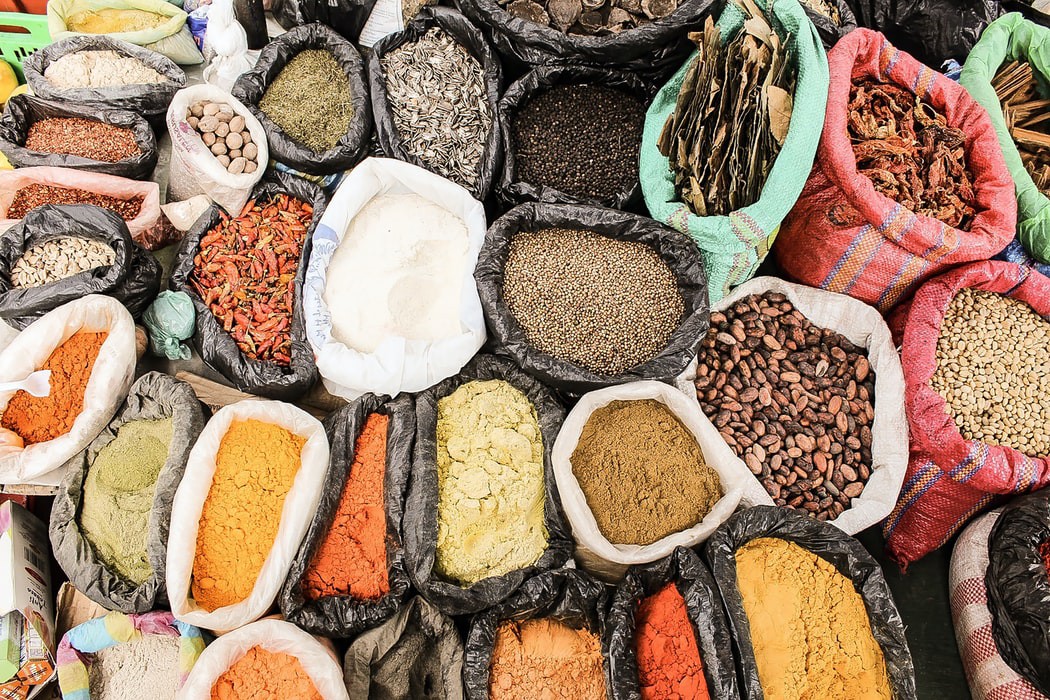
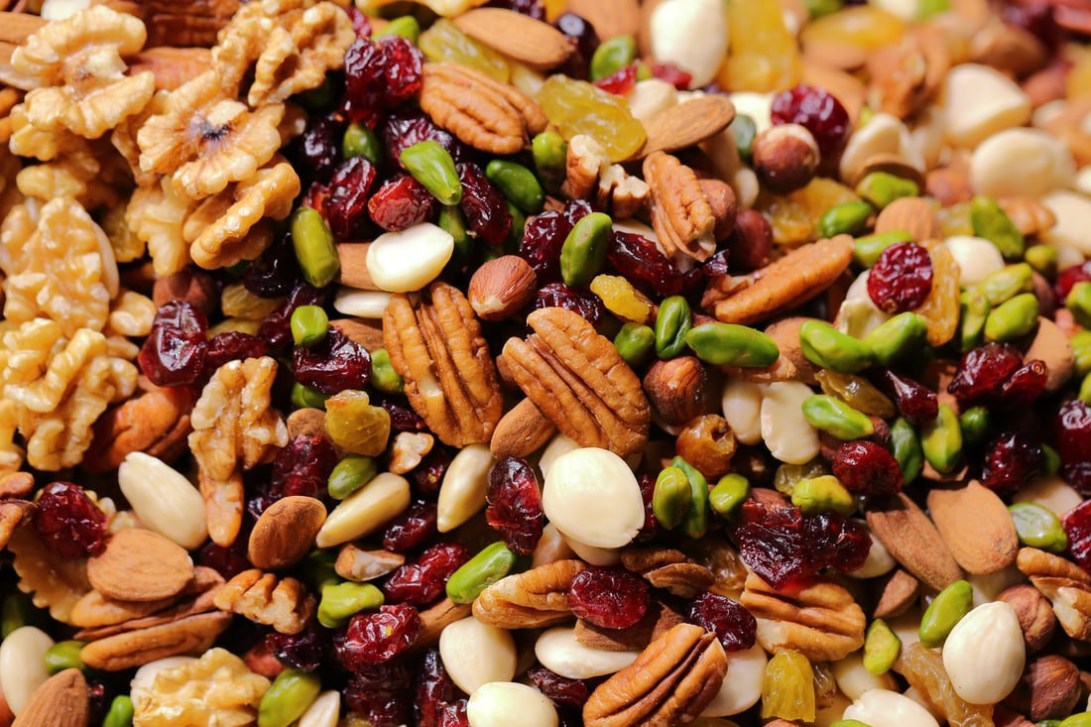
- Snack on nuts, seeds, especially walnuts , sunflower seeds, and dried fruit, but choose those with no added sugar or salt.
Best Time to consume antioxidants
- Consume a heavy antioxidant rich meal after exercise, gym workouts or tedious job. Include Vitamin A, C, E, zinc, mangnese, eggs.
- Your each meal should be comprised of any above mentioned antioxidants.
- Include fruits like kiwi, watermelon, strawberry, orange at least once in your every day diet.
- Bowlout any one of your meal as vegetable fruit salad. It should be comprised of spinach, tomato, carrot, nuts, berries, apple, orange and kiwi.
- A necessary Balance should be established between each type of antioxidants consumed to maximize the effects.
- Most principal factor to achieve the benefits of antioxidants is how you cook your food. (For example, cooking tomatoes and carrots slightly is more beneficial than consuming it raw. On the other hand, cooking Broccoli, capsicum, spinach and zinc food for longer duration devoids it of nutrients.)
- Be patient, natural sources take time to show their effects. But for sure their results can be seen better than those of Supplements.
- Follow these simple hacks in your daily lifestyle to get great outcomes on health.
The one who has health, has hope, and one who has hope has everything.
Stay tune for more post and updates.
Stay healthy😇
Stay happy 😃
 The Daily Healthy Lifestyle