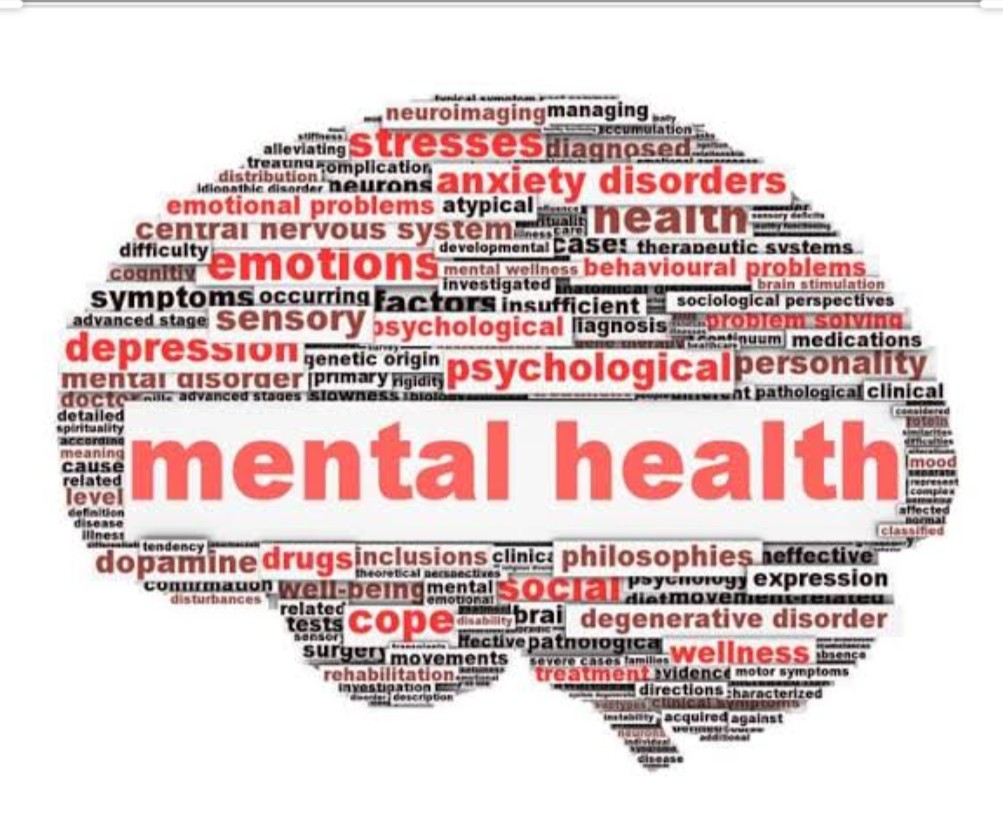
What is mental health?
Mental health refers to your emotional and psychological well-being. Having good mental health helps you lead a relatively happy and healthy life. It helps you demonstrate resilience and the ability to cope in the face of life’s adversities.
Your mental health can be influenced by a variety of factors, including life events or even your genetics.

What are the Symptoms of mental imbalance?
- Not eating enough or overeating.
- Having insomnia or sleeping too much.
- Distancing yourself from other people and favorite activities.
- Feeling fatigued even with enough sleep.
- Feeling numbness or lacking empathy.
- Experiencing unexplainable body pains or machines.
- Hopeless, helpless, or lost.
- Smoking, drinking, or using illicit drugs more than ever before.
- Feeling confusion, forgetfulness, irritability, anger, anxiety, sadness, or fright.
- Constantly fighting or arguing with friends and family.
- Having extreme mood swings that cause relationship problems.
- Having constant flashbacks or thoughts that you can’t get out of your head.
- ( Not every symptom means you’re suffering from depression, other issues may show similar symptoms)

What are the risk factors for mental health conditions?
Everyone has some risk of developing a mental health disorder, no matter their age, sex, income, or ethnicity.
Social and financial circumstances, biological factors, and lifestyle choices can all shape a person’s mental health.
A large proportion of people with a mental health disorder have more than one condition at a time.
It is important to note that good mental health depends on a delicate balance of factors and that several elements of life and the world at large can work together to contribute to disorders.
The following factors may contribute to mental health disruptions.
Continuous social and economic pressure
Having limited financial means or belonging to a marginalized or persecuted ethnic group can increase the risk of mental health disorders.
The researchers have explained that the difference in the availability and quality of mental health treatment for certain groups in terms of modifiable factors, which can change over time, and non-modifiable factors, which are permanent.
Modifiable factors for mental health disorders include:
- socioeconomic conditions, such whether work is available in the local area
- occupation
- a person’s level of social involvement
- education
- housing quality.
Non-modifiable factors include:
- gender
- age
- ethnicity.
People with a “weak economic status” also scored highest for mental health conditions in this study.
Biological factors
The NIMH suggests that genetic family history can increase the likelihood of mental health conditions, as certain genes and gene variants put a person at higher risk.
However, many other factors contribute to the development of these disorders.
Having a gene with links to a mental health disorder, such as depression or schizophrenia, does not guarantee that a condition will develop. Likewise, people without related genes or a family history of mental illness can still have mental health issues.
Mental health conditions such as stress, depression, and anxiety may develop due to underlying, life-changing physical health problems, such as cancer, diabetes, and chronic pain.
What are Common health Disorders?
- Anxiety disorders
- mood disorders.
1) Anxiety disorders
According to the Anxiety and Depression Association, anxiety disorders are the most common type of mental illness.
People with these conditions have severe fear or anxiety, which relates to certain objects or situations. Most people with an anxiety disorder will try to avoid exposure to whatever triggers their anxiety.

Examples of anxiety disorders include:
-
Generalized anxiety disorder (GAD)
The Psychiatric Association defines GAD as a disproportionate worry that disrupts everyday living.
People might also experience physical symptoms, including
- restlessness
- fatigue
- tense muscles
- interrupted sleep
A bout of anxiety symptoms does not necessarily need a specific trigger in people with GAD.
-
Panic disorders
People with a panic disorder experience regular panic attacks, which involve sudden, overwhelming terror or a sense of imminent disaster and death.

-
Phobias
There are different types of phobia:
- Simple phobias: These might involve a disproportionate fear of specific objects, scenarios, or animals. A fear of spiders is a common example.
- Social phobia: Sometimes known as social anxiety, this is a fear of being subject to the judgment of others. People with social phobia often restrict their exposure to social environments.
- Agoraphobia: This term refers to a fear of situations in which getting away may be difficult, such as being in an elevator or moving train. Many people misunderstand this phobia like a fear of being outside.
Phobias are deeply personal, and doctors do not know every type. There could be thousands of phobias, and what might seem unusual to one person may be a severe problem that dominates daily life for another.
2) Mood disorders
People may also refer to mood disorders as affective disorders or depressive disorders.
People with these conditions have significant changes in mood, generally involving either mania, which is a period of high energy and elation, or depression.

Examples of mood disorders include:
- Major depression: An individual with major depression experiences a constant low mood and loses interest in activities and events that they previously enjoyed. They can feel prolonged periods of sadness or extreme sadness.
- Bipolar disorder: A person with bipolar disorder experiences unusual changes in their mood, energy levels, levels of activity, and ability to continue with daily life. Periods of high mood are known as manic phases, while depressive phases bring on low mood.
How to improve your mental health?
1. Tell yourself something positive.
Research shows that how you think about yourself can have a powerful effect on how you feel. When we perceive our self and our life negatively, we can end up viewing experiences in a way that confirms that notion. Instead, practice using words that promote feelings of self-worth and personal power.

2. Write down something you are grateful for.
Gratitude has been clearly linked with improved well-being and mental health, as well as happiness. The best-researched method to increase feelings of gratitude is to keep a gratitude journal or write a daily gratitude list. Generally contemplating gratitude is also effective, but you need to get regular practice to experience long-term benefits. Find something to be grateful for, let it fill your heart, and bask in that feeling.

3. Focus on one thing (in the moment).
Being mindful of the present moment allows us to let go of negative or difficult emotions from past experiences that weigh us down. Start by bringing awareness to routine activities, such as taking a shower, eating lunch, or walking home. Paying attention to the physical sensations, sounds, smells, or tastes of these experiences helps you focus. When your mind wanders, just bring it back to what you are doing.

4. Exercise.
Your body releases stress-relieving and mood-boosting endorphins before and after you work out, which is why exercise is a powerful antidote to stress, anxiety, and depression. Look for small ways to add activity to your day, like taking the stairs instead of the elevator or going on a short walk. To get the most benefit, aim for at least 20 minutes of exercise daily, and try to do it outdoors. Exposure to sunlight helps your body produce vitamin D, which increases your level of serotonin in the brain. Plus, time in nature is a proven stress reducer.

5. Eat a good favorite meal.
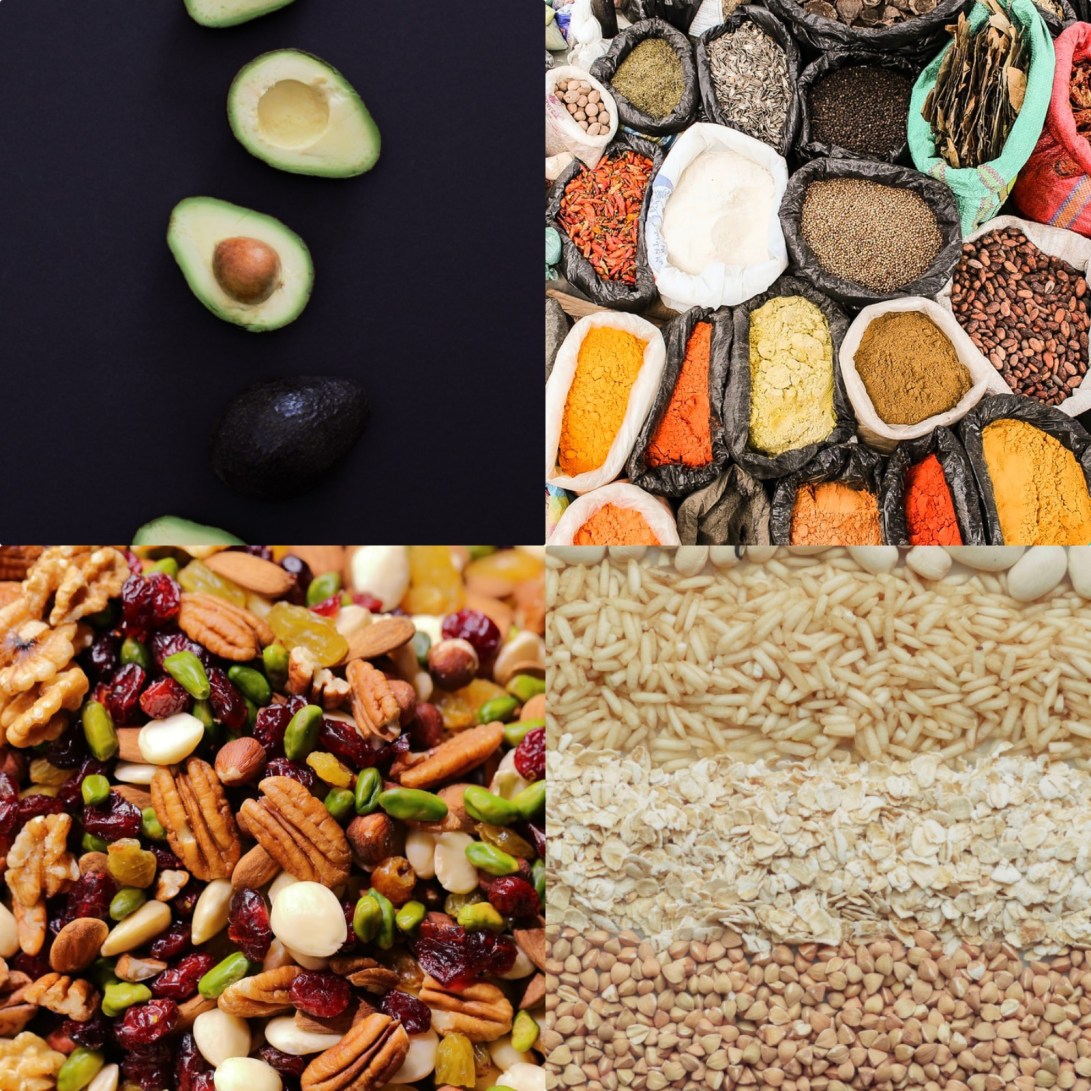
What you eat nourishes your whole body, including your brain. Carbohydrates (in moderate amounts) increase serotonin, a chemical that has been shown to have a calming effect on your mood. Protein-rich foods increase norepinephrine, dopamine, and tyrosine, which help keep you alert. And vegetables and fruits are loaded with nutrients that feed every cell of your body, including those that affect mood-regulating brain chemicals. Include foods with omega-3 polyunsaturated fatty acids (found in fish, nuts, and flaxseed.) Research shows that these nutrients can improve mood and restore structural integrity to the brain cells necessary for cognitive function.

6. Open up to someone.
Knowing you are valued by others is important for helping you think more positively. Plus, being more trusting can increase your emotional well-being because as you get better at finding the positive aspects of other people, you become better at recognizing your own. If something is worrying you, open up your worries to the trusted one, try to spend time with them.

7. Do something for someone else.
Helping others gives you a joyful feeling which could make you happy. Making others smile which eventually makes your heart smile and brings positivity in yourself.
In those moments when it all seems like too much, step away, and do anything but whatever was stressing you out until you feel a little better. Sometimes the best thing to do is a simple breathing exercise: Close your eyes and take 10 deep breaths. For each one, count to four as you inhale, hold it for a count of four and then exhale for another four. Also, get to your friends and family for a better feeling. This brings wonders almost immediately.

Do’s and Dont’s
- Do not overthink your problems, rather try finding the solutions.
- Keep yourself away from things that make you feel upset, affects your mood.
- Have a meal that makes you feel happy or is your favorite.
- Call or meet your family, relatives, friends when not in good mood.
- If time permits, travel, or go for a short vacation or involve in activities that bring you happiness.
- If something is bothering you, talk about it, if unable, write and send it to your friends or dear ones.
- If you feel you don’t have anyone, try to reach old ones, close ones, or make one.
- Indulge yourself in activities, avoid sitting alone.
- In serious conditions, without hesitation, reach out to a doctor.
- Take medications, therapy as suggested by the physician.
YOUR LIFE IS PRECIOUS!
DO NOT END IT!
YOUR LIFE MATTERS MOST!
BE COURAGEOUS TO LIVE, NOT TO END!
We care for you.
Take care of yourself and your family.
Stay tuned for more posts and updates.
Stay happy 😃
Stay healthy 😁

































































 The Daily Healthy Lifestyle