HERE’S HOW TO TACKLE CORONA VIRUS INFECTION!
The deadly dangerous, life threatening virus, COVID-19 (CORONA VIRUS DISEASE 2019) spreading all across the globe has become the major health outbreak.
Large number of population is affected in parts of China, and is transmitted all around the world.
Here are important details you should know about Corona virus.
What is Corona virus?
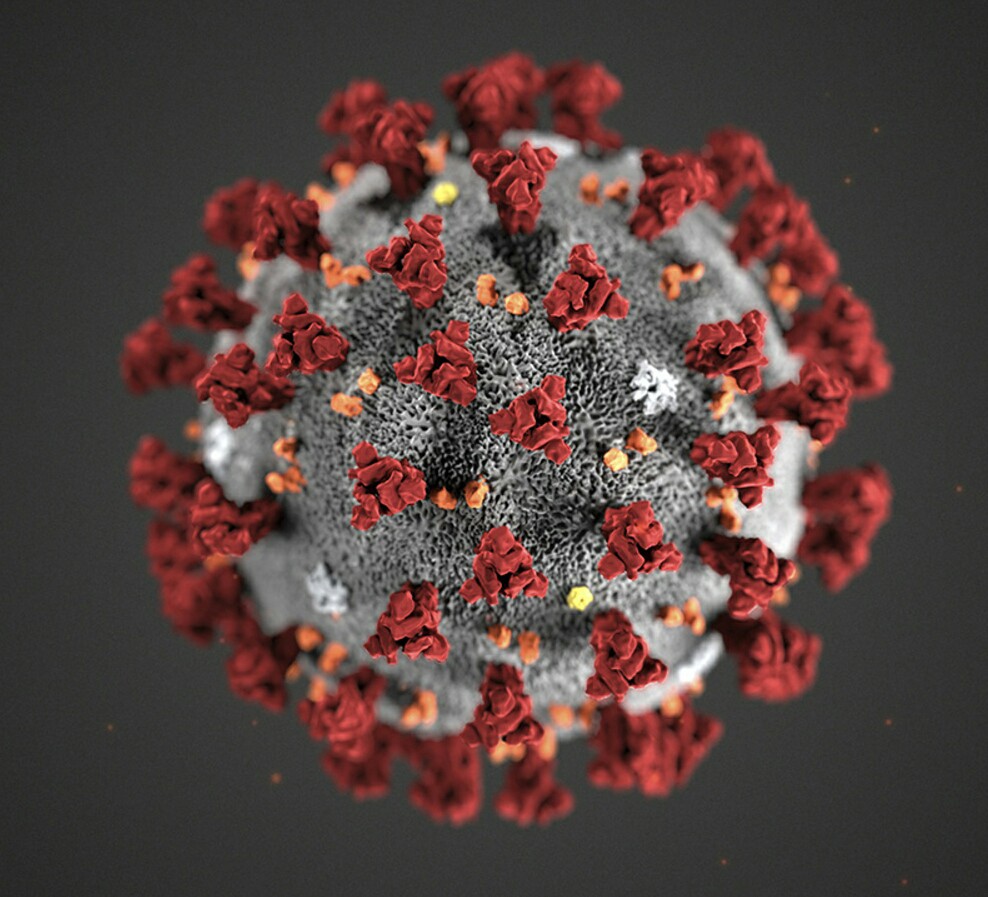
Corona viruses (CoV) are a large family of viruses that cause illness ranging from the common cold to more severe diseases such as Middle East Respiratory Syndrome (MERS-CoV) and Severe Acute Respiratory Syndrome (SARS-CoV). A novel coronavirus (nCoV) is a new strain that has not been previously identified in humans.
Coronaviruses are zoonotic, meaning they are transmitted between animals and people.
Detailed investigations found that SARS-CoV was transmitted from civet cats to humans and MERS-CoV from dromedary camels to humans.
Several known corona viruses are circulating in animals that have not yet infected humans.
What is COVID-19?
COVID-19 is the infectious disease caused by the most recently discovered corona virus. This new virus and disease were unknown before the outbreak began in Wuhan, China, in December 2019.
What are the symptoms of COVID-19?
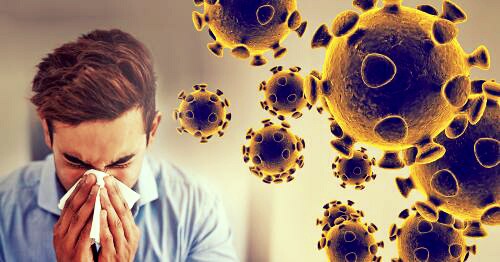
The most common symptoms of COVID-19 are:
fever.
tiredness.
dry cough.
aches and pains.
nasal congestion.
runny nose.
sore throat.
diarrhea.
Some people become infected but don’t develop any symptoms and don’t feel unwell.
Most people (about 80%) recover from the disease without needing special treatment.
Around 1 out of every 6 people who gets COVID-19 becomes seriously ill and develops difficulty breathing.
Older people, and those with underlying medical problems like high blood pressure, heart problems or diabetes, are more likely to develop serious illness.
How does COVID-19 spreads?
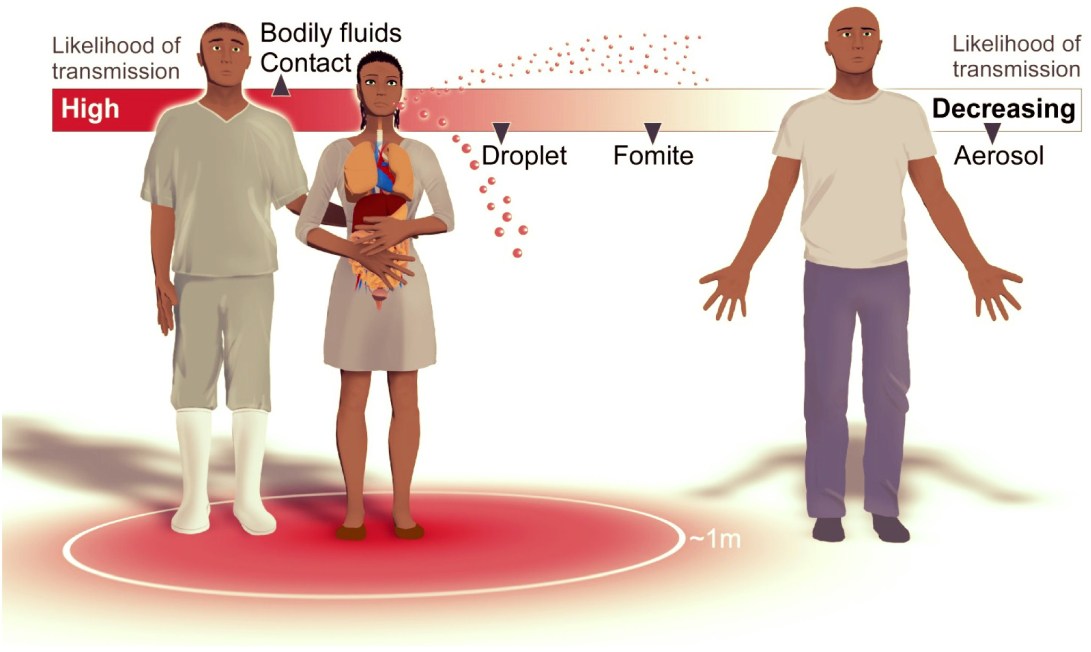
People can catch COVID-19 from others who have the virus.
The disease can spread from person to person through small droplets from the nose or mouth which are spread when a person with COVID-19 coughs or exhales.
These droplets land on objects and surfaces around the person.
Other people then catch COVID-19 by touching these objects or surfaces, then touching their eyes, nose or mouth.
People can also catch COVID-19 if they breathe in droplets from a person with COVID-19 who coughs out or exhales droplets.
This is why it is important to stay more than 1 meter (3 feet) away from a person who is sick.
Who are at risk of developing COVID-19?
While the research is still going on about how COVID-2019 affects people, but older persons and persons with pre-existing medical conditions (such as high blood pressure, heart disease, or diabetes) appear to develop serious illness more often than others.
Also individuals with low immunity power and unhealthy habits are more prone to get severe illness.
How you can protect yourself and prevent the areas of disease?
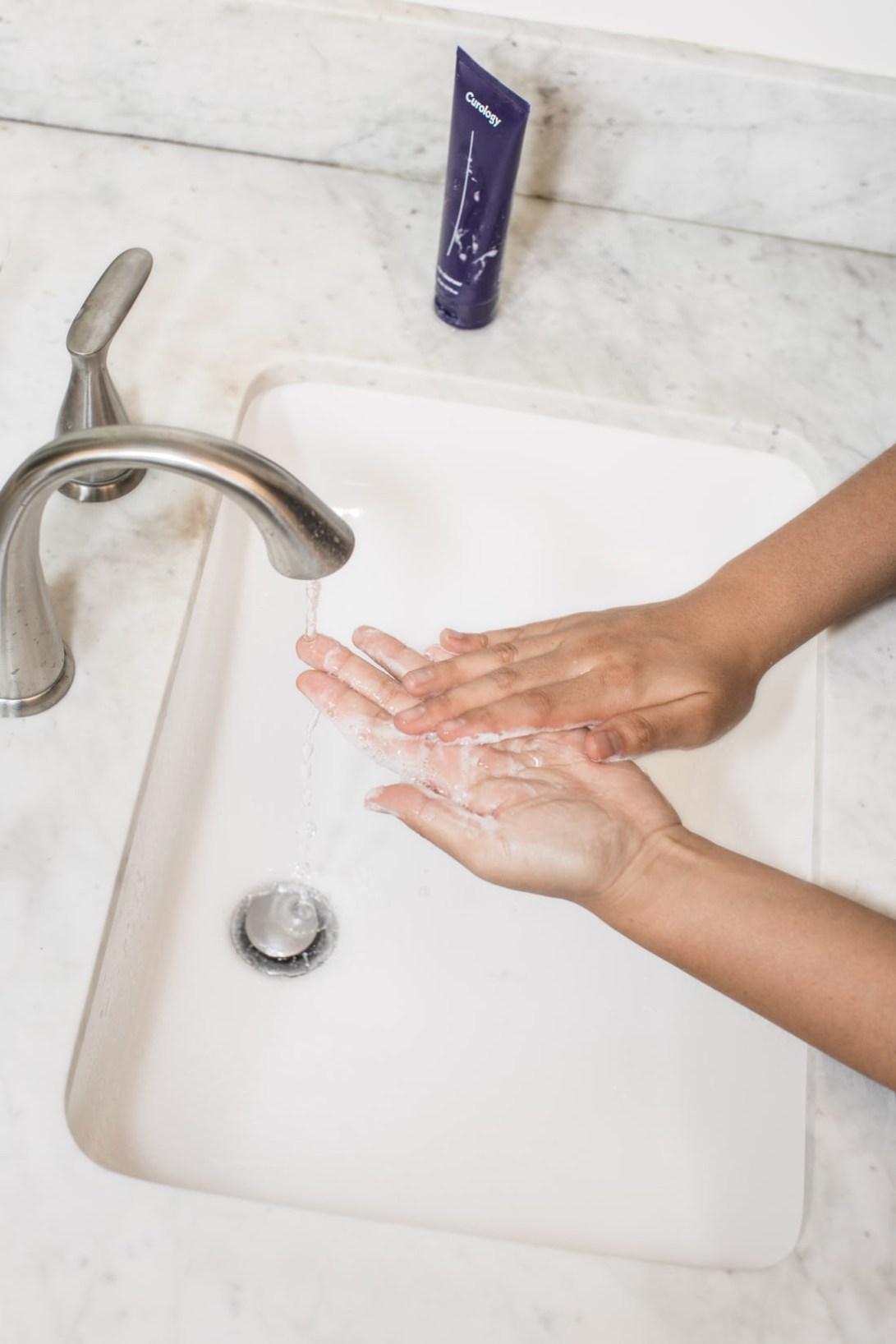
- Regularly and thoroughly clean your hands with an alcohol-based hand rub or wash them with soap and water.
Why? Washing your hands with soap and water or using alcohol-based hand rub kills viruses that may be on your hands.
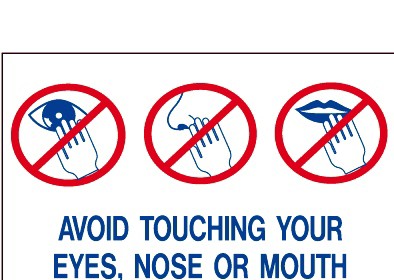
- Avoid touching eyes, nose and mouth.
Why? Hands touch many surfaces and can pick up viruses. Once contaminated, hands can transfer the virus to your eyes, nose or mouth. From there, the virus can enter your body and can make you sick.
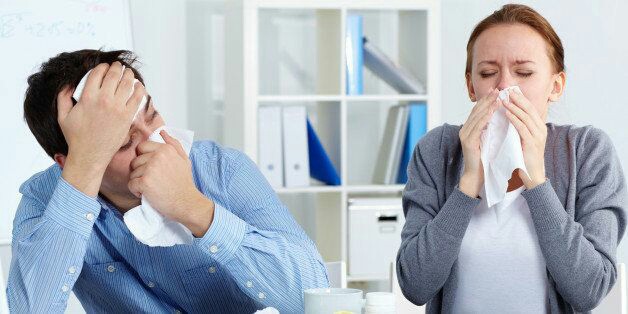
- Make sure you, and the people around you, follow good respiratory hygiene. This means covering your mouth and nose with your bent elbow or tissue when you cough or sneeze. Then dispose of the used tissue immediately.
-
Why?
Droplets spread virus. By following good respiratory hygiene you protect the people around you from viruses such as cold, flu and COVID-19.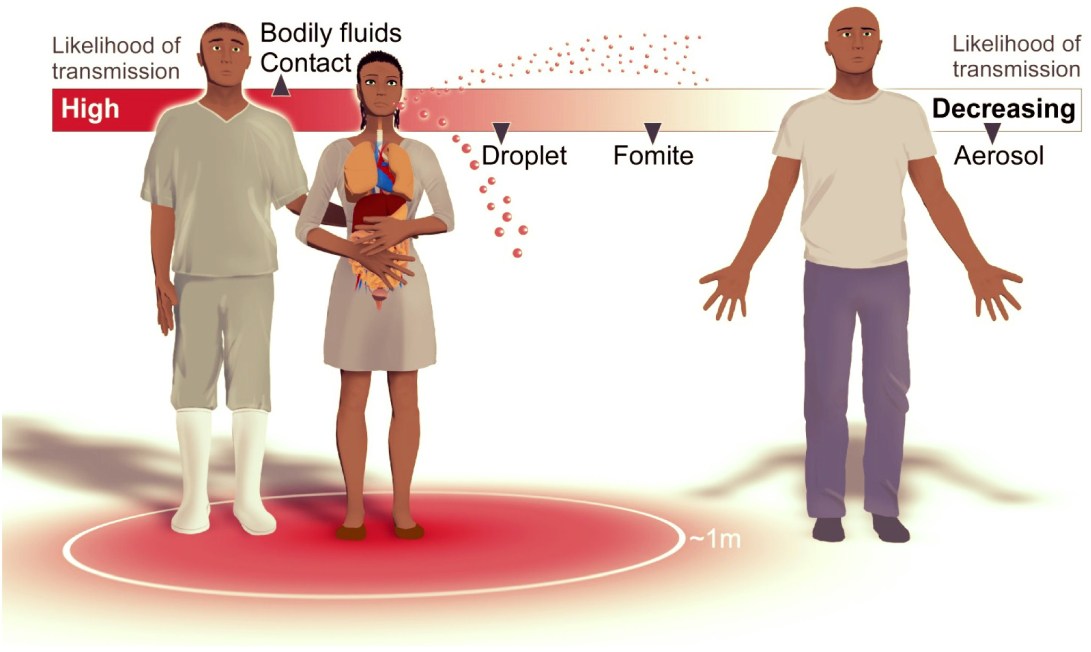
- Maintain least 1 metre (3 feet) distance between yourself and anyone who is coughing or sneezing.
Why? When someone coughs or sneezes they spray small liquid droplets from their nose or mouth which may contain virus. If you are too close, you can breathe in the droplets, including the COVID-19 virus if the person coughing has the disease.
- Stay home if you feel unwell. If you have a fever, cough and difficulty breathing, seek medical attention and call in advance.
Protection measures for persons who are in or have recently visited areas where COVID-19 is spreading.
- Follow the above mentioned precautions strictly.
- Stay at home if you begin to feel unwell, even with mild symptoms such as headache and slight runny nose, until you recover.
Why? Avoiding contact with others and visits to medical facilities will allow these facilities to operate more effectively and help protect you and others from possible COVID-19 and other viruses.
- If you develop fever, cough and difficulty breathing, seek medical advice promptly as this may be due to a respiratory infection or other serious condition. Call in advance and tell your provider of any recent travel or contact with travelers.
Why? Calling in advance will allow your health care provider to quickly direct you to the right health facility. This will also help to prevent possible spread of COVID-19 and other viruses.
What you should prefer to eat at this stage?
Tough there no restrictions on food according to the official reports regarding the sreading of corona 19.
But a healthy food will definately prevent you from any source of infection.
Try to avoid food from animal sources like chicken, meat, pork, beef, fish, eggs, etc.
If at all you consume these stuffs, keep a watch on they’re cooked properly.
Avoid vegetables and fruits where there are higher cases of infections.
Thoroughly wash, clean and do cook it. Avoid eating raw form of vegetables.
Try to consume dry beans, dry broad beans, dry peas, chickpeas, cow peas, pigeon peas, lentils, Bambara beans, vetches, lupins and pulses.

Are there any antibiotics or antivirals for COVID-19?
No. Antibiotics do not work against viruses, they only work on bacterial infections. COVID-19 is caused by a virus, so antibiotics do not work. Antibiotics should not be used as a means of prevention or treatment of COVID-19. They should only be used as directed by a physician to treat a bacterial infection.
Though some doctor’s are prescribing antiviral drugs to the suspected individuals and to those who are infected for relieving the symptoms of virus and not as treatment of Corona -19
Is there any treatment of Corona-19?
To date, there is no vaccine and no specific antiviral medicine to prevent or treat COVID-2019.
However, those affected should receive care to relieve symptoms. People with serious illness should be hospitalized.
Possible vaccines and some specific drug treatments are under investigation. They are being tested through clinical trials.
WHO( WORLD HEALTH ORGANIZATION) is coordinating efforts to develop vaccines and medicines to prevent and treat COVID-19.
Here are some stats relating to the spread of Novel Corona virus.
WHO confirms over 90,000 cases of Novel Corona virus COVID-19 till date.

According to the reports of World Health Organization there are over 93,160 confirmed COVID-19 cases and 3,203 deaths reported globally in 80 countries.
The Novel Corona virus death toll in China climbed to 2,981with 31 more deaths. 125 new confirmed cases were reported, the lowest since the virus outbreak in the country.
Amongst various countries:
- China has reported over 80,000cases.
- Iran and Italy has reported over 2,500 cases.
- South Korea over 5,000 cases.
Out of 3,203 death across the globe:
- 2,981 died in China
- 33 in South Korea
- 77 in Iran
- 79 in Italy
- 9 in USA
- 6 in Japan
- 6 in Diamond Princess
- 4 in France
- 2 in Hong Kong
- 1 each in Australia, Taiwan, Spain, Thailand, Philippines and San Marino.
Do protect yourself from the life threatening virus by following these simple hacks.
Stay tuned for more updates and posts.
Stay healthy 😁 stay happy 😃
 The Daily Healthy Lifestyle